COMPLETE WORKS
HIDDEN LINES
Cesar Cueva
Sevenmarks Gallery, Kiama
17 October — 22 November 2026
The complete body of works selected for HIDDEN LINES, accompanied by notes on what I saw, the decisions that followed and how each title emerged.
01
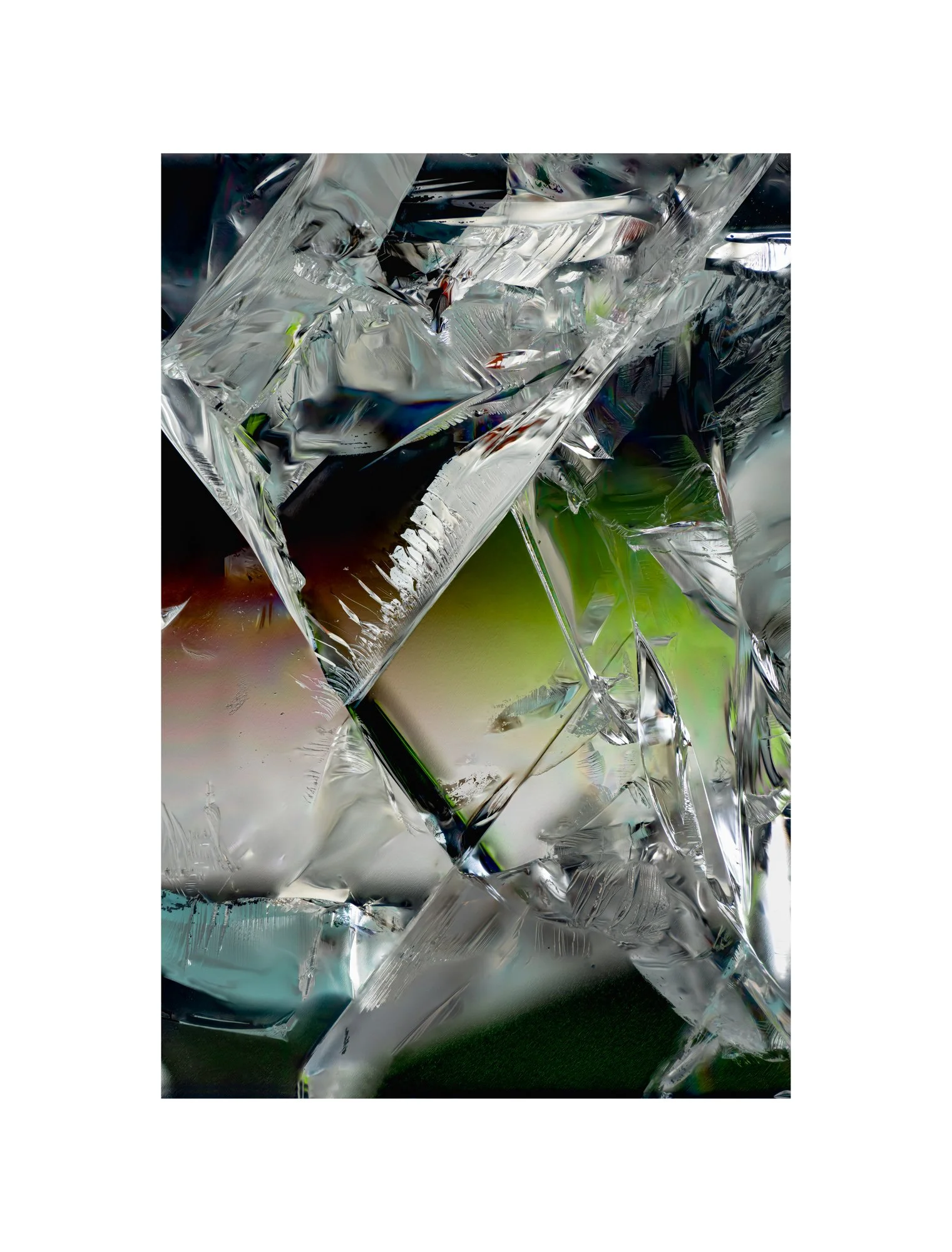
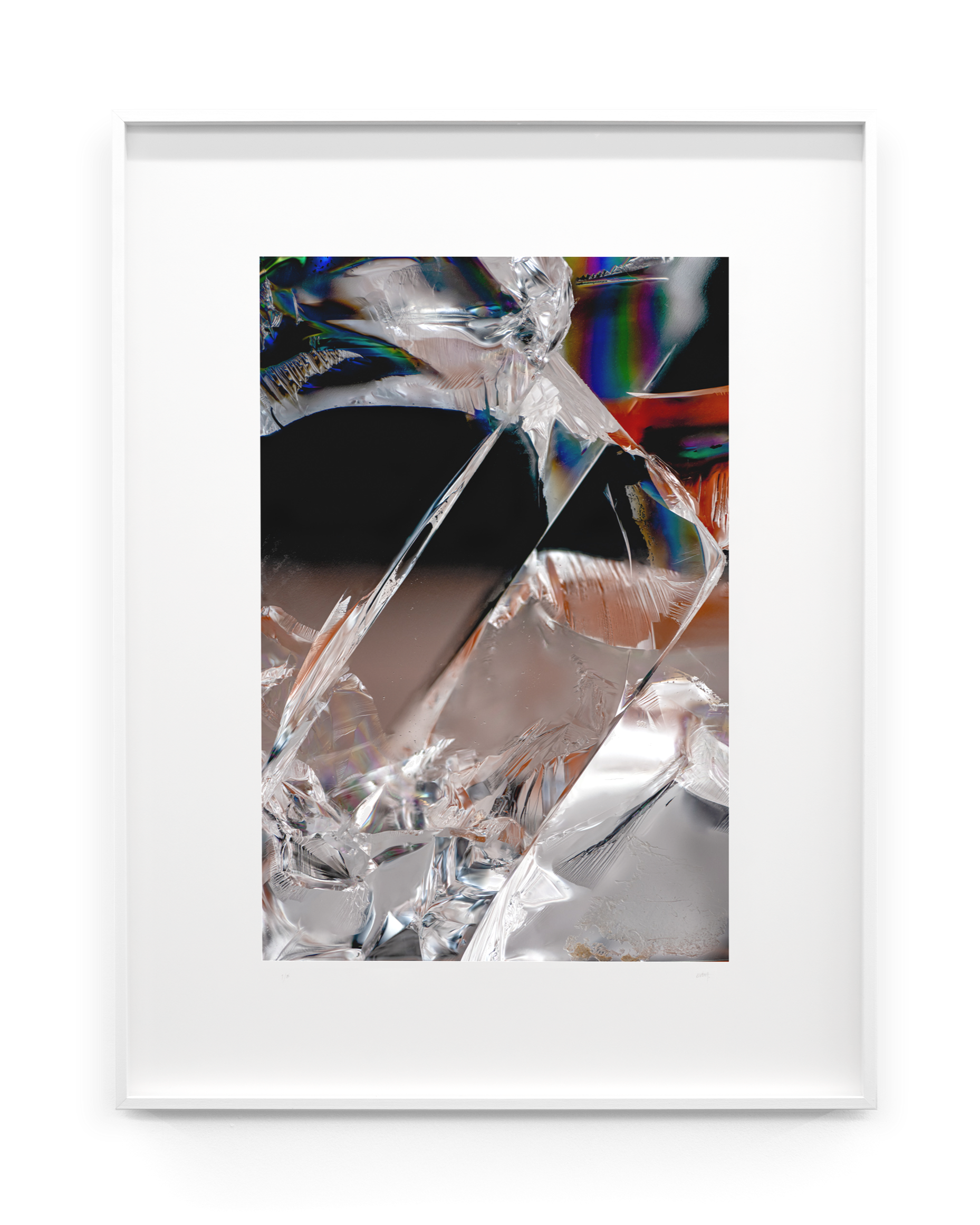
FRAME SUSPENSION
FRAME SUSPENSION
The fracture reminded me of a glacial floor beginning to break, its surface shifting without completely giving way. A dark diagonal appears suspended between fractured planes, creating an unexpected sense of depth.
Archival pigment print on Canson Arches 88
Custom white painted oak box frame, ArtGlass glazing
830 × 1085 mm (framed)
Edition of 8 + 2 AP
02
JUNCTION SEPARATION
JUNCTION SEPARATION
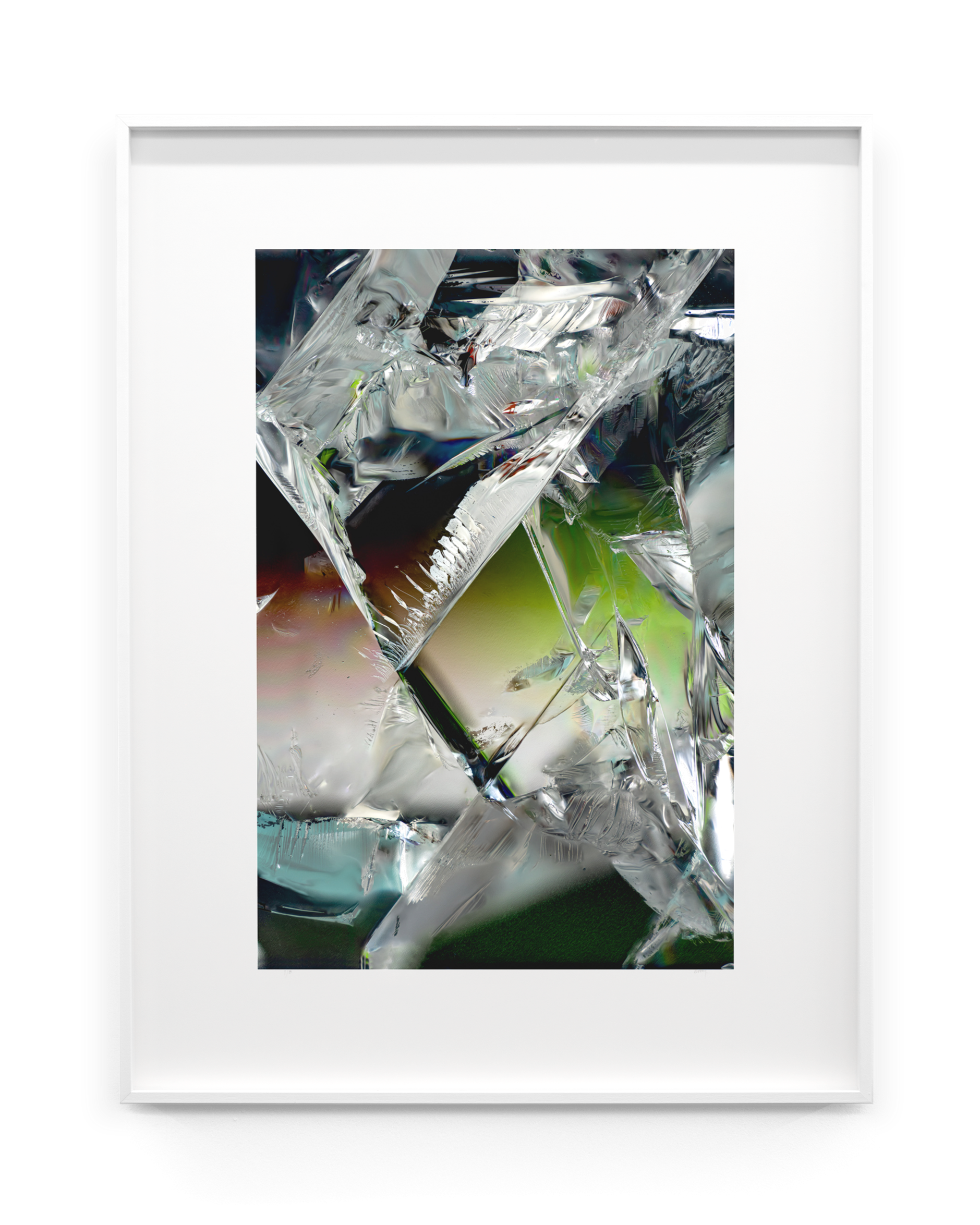
It felt as though a shard had been removed from an already fractured structure. What interested me was the space it left behind, allowing me to see through the opening and into something beyond.
The surrounding planes seemed to gather around that space without quite reconnecting, as though a junction had been interrupted.
Archival pigment print on Canson Arches 88
Custom white painted oak box frame, ArtGlass glazing
830 × 1085 mm (framed)
Edition of 8 + 2 AP
03
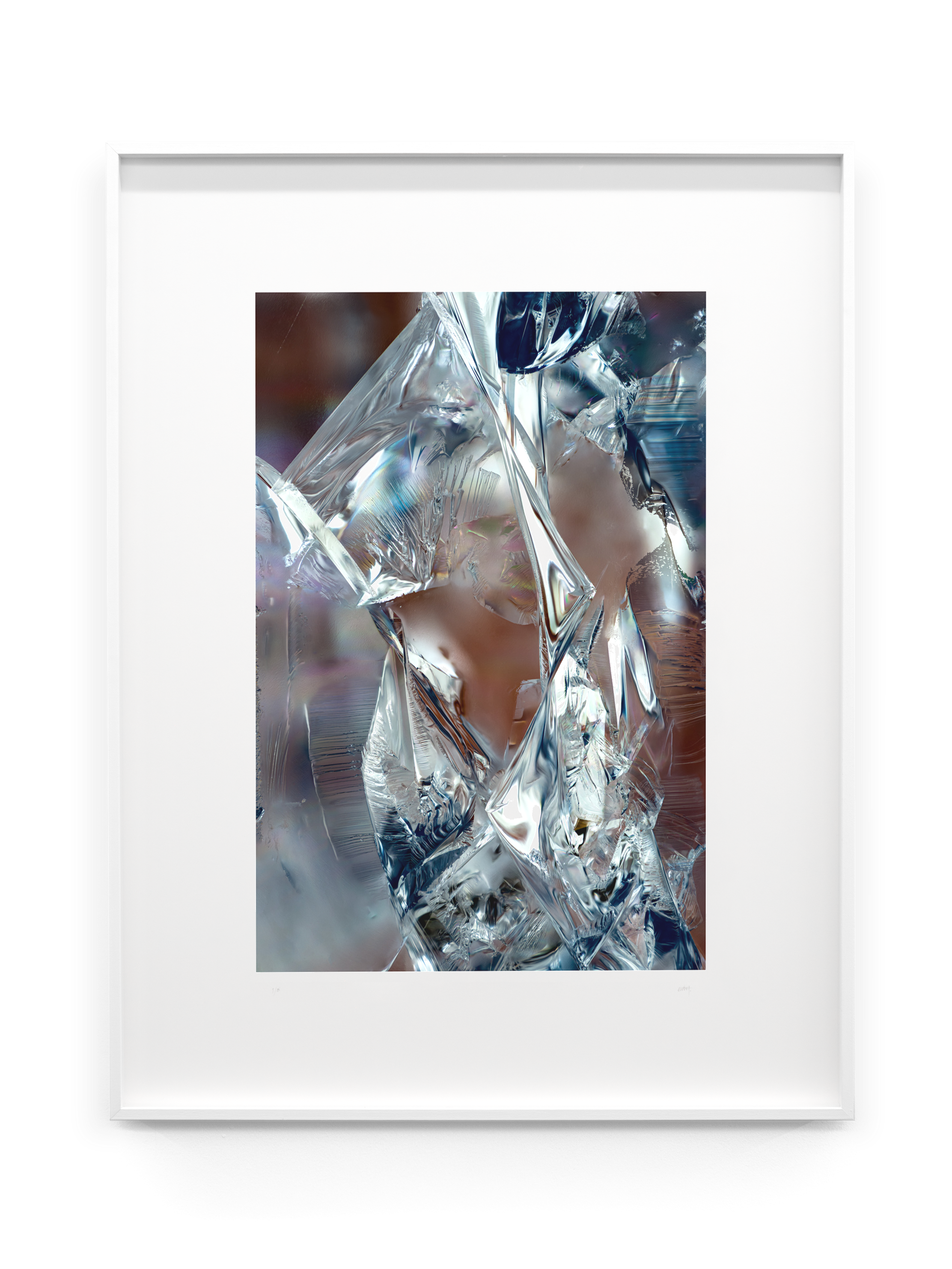
CHANNEL FLOW
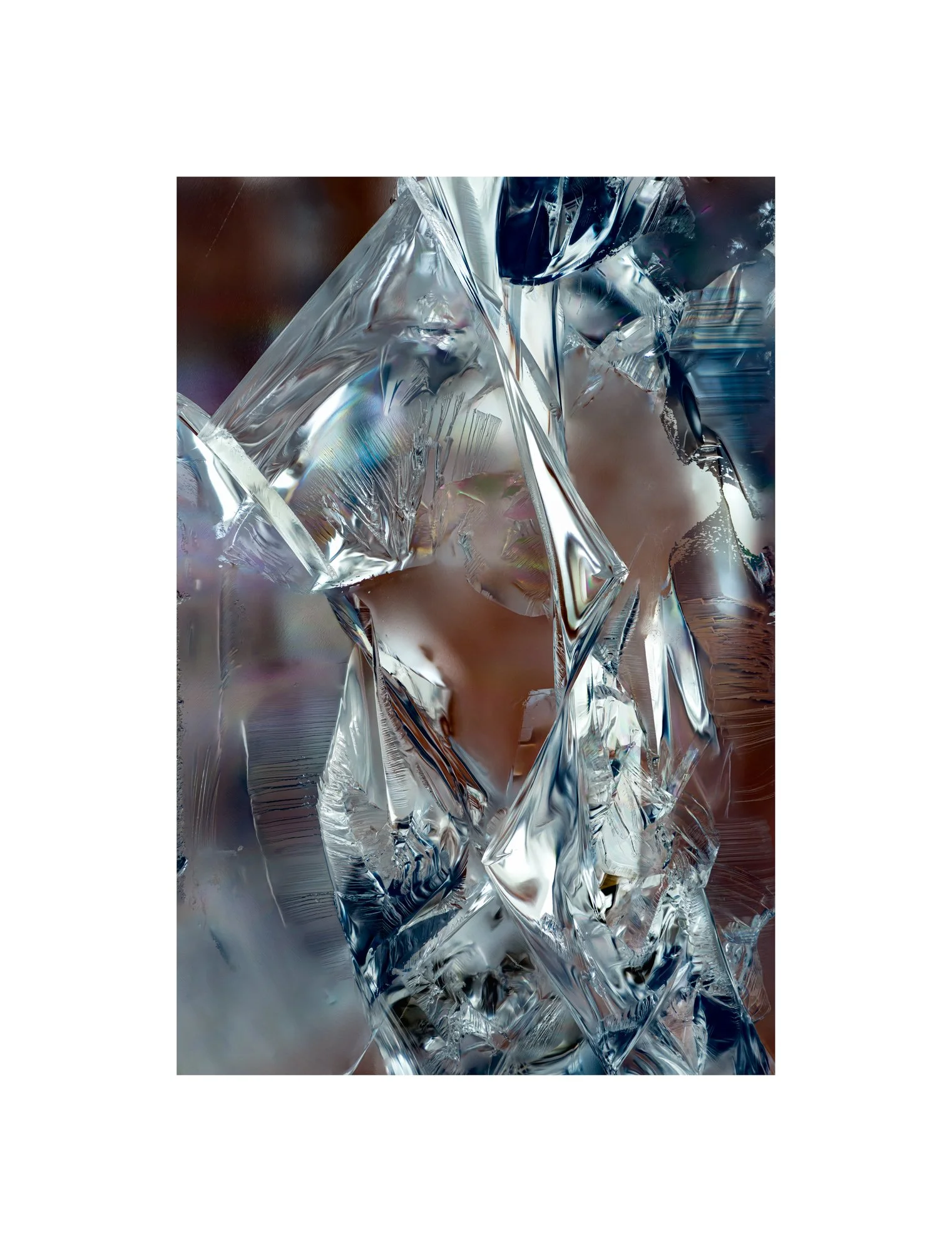
CHANNEL FLOW
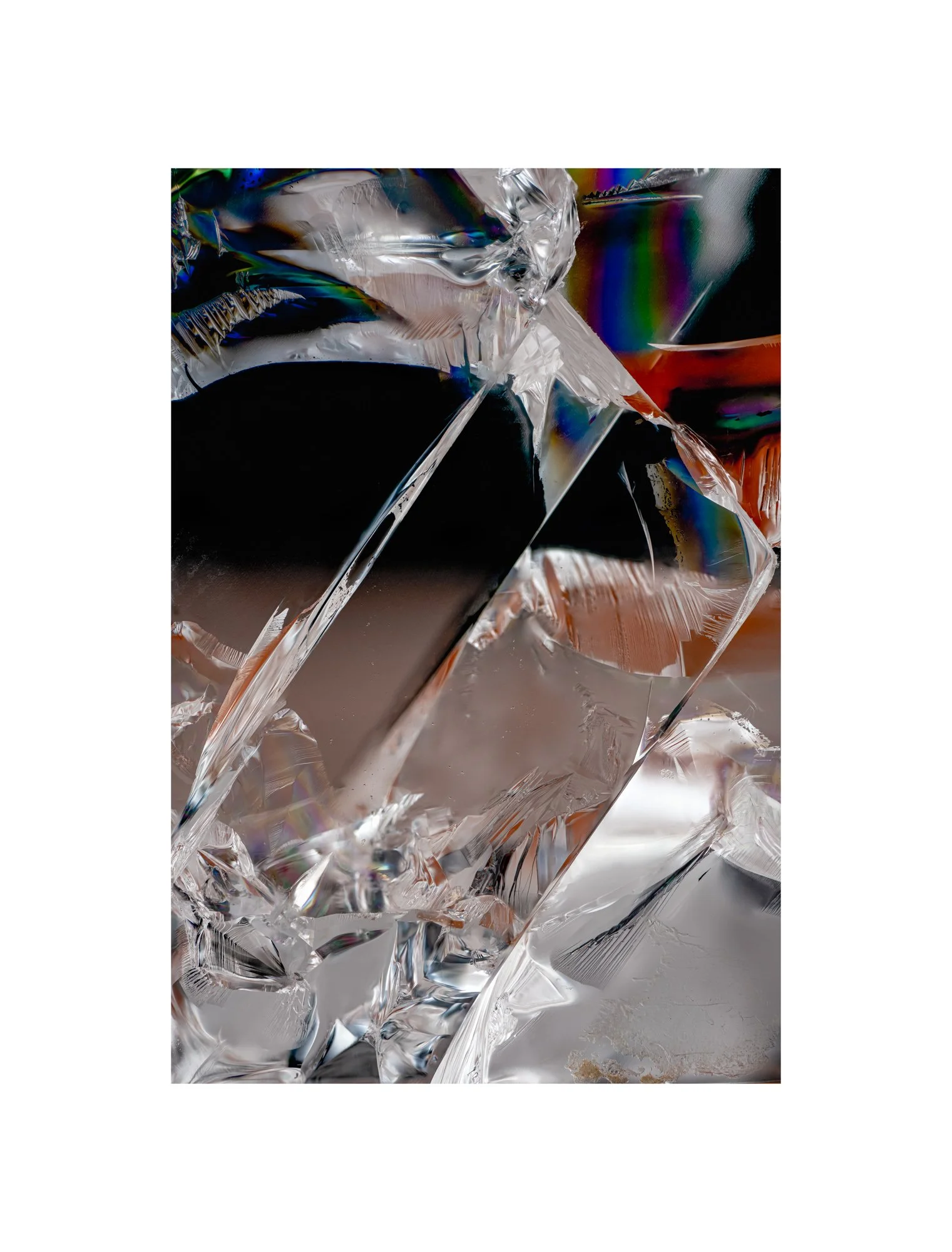
I imagined the scene in motion, with shards drifting through space, turning towards one another as though drawn back into place.
What first appeared fractured began to suggest a process of repair, the fragments slowly reconnecting. A broken structure beginning to heal.
Archival pigment print on Canson Arches 88
Custom white painted oak box frame, ArtGlass glazing
830 × 1085 mm (framed)
Edition of 8 + 2 AP
04
COLUMN TENSION
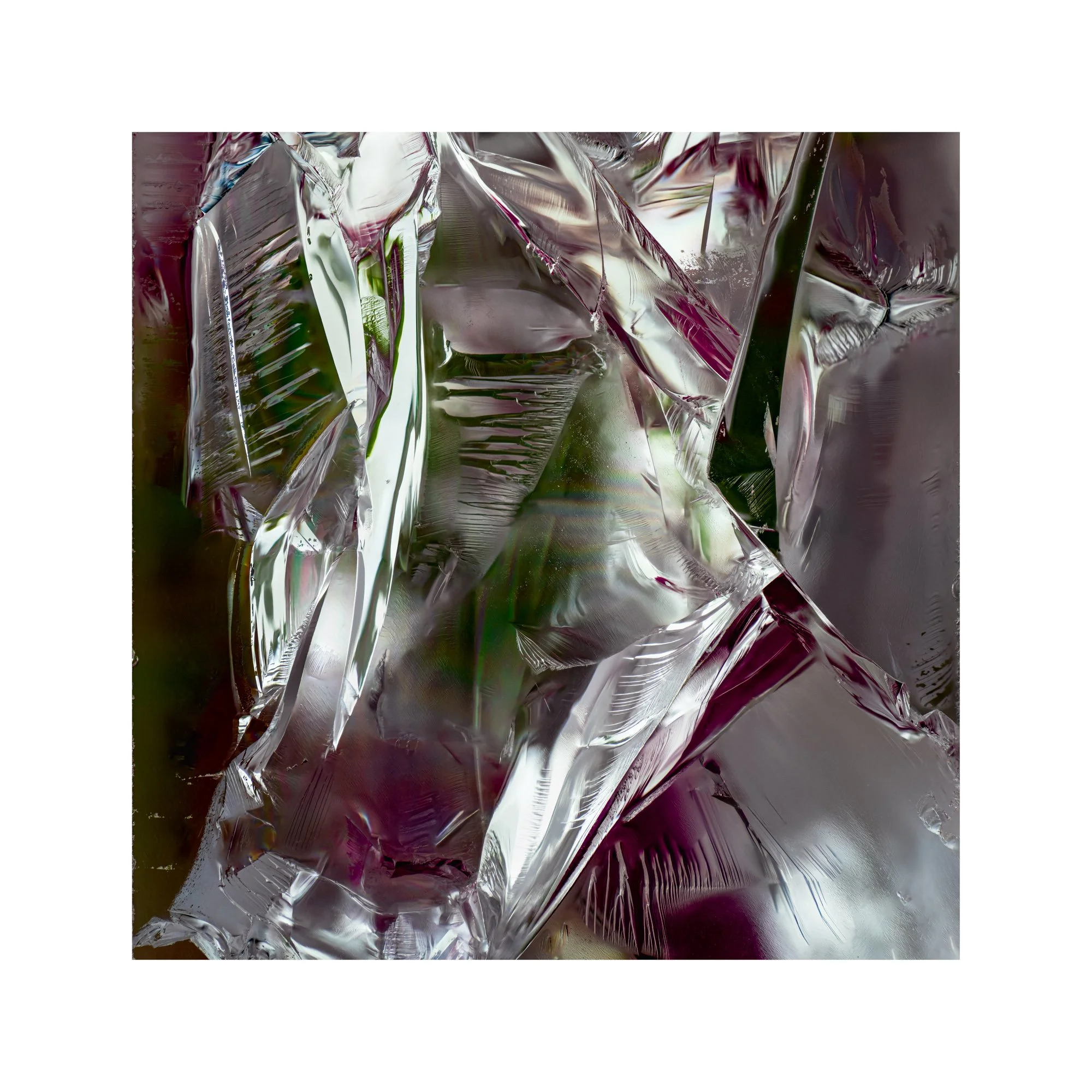
COLUMN TENSION
The material felt unexpectedly malleable, as though it were being pulled apart rather than fractured.
The structures appear to stretch and distort under tension, holding for a moment before giving way. Something apparently rigid begins to behave as though it could stretch.
Archival pigment print on Canson Arches 88
Custom white painted oak box frame, ArtGlass glazing
700 × 700 mm (framed)
Edition of 8 + 2 AP
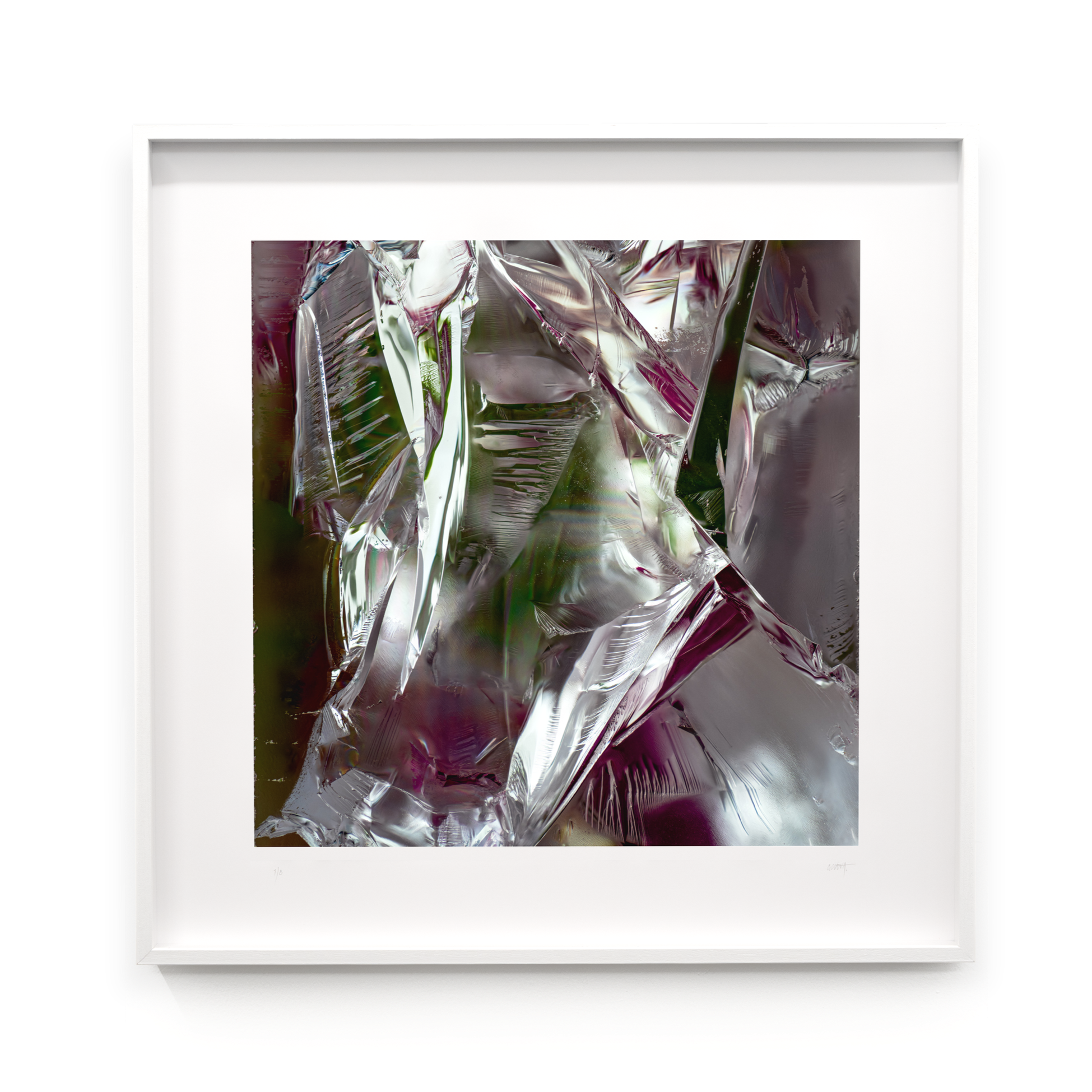
05
SURFACE ACCUMULATION
SURFACE ACCUMULATION
The surface reminded me of newly formed skin, still taking shape.
I was drawn to the way material appeared to gather unevenly, building into folds, ridges and denser areas. Rather than something fixed, it suggested a surface still in the process of forming.
Archival pigment print on Canson Arches 88
Custom white painted oak box frame, ArtGlass glazing
700 × 700 mm (framed)
Edition of 8 + 2 AP
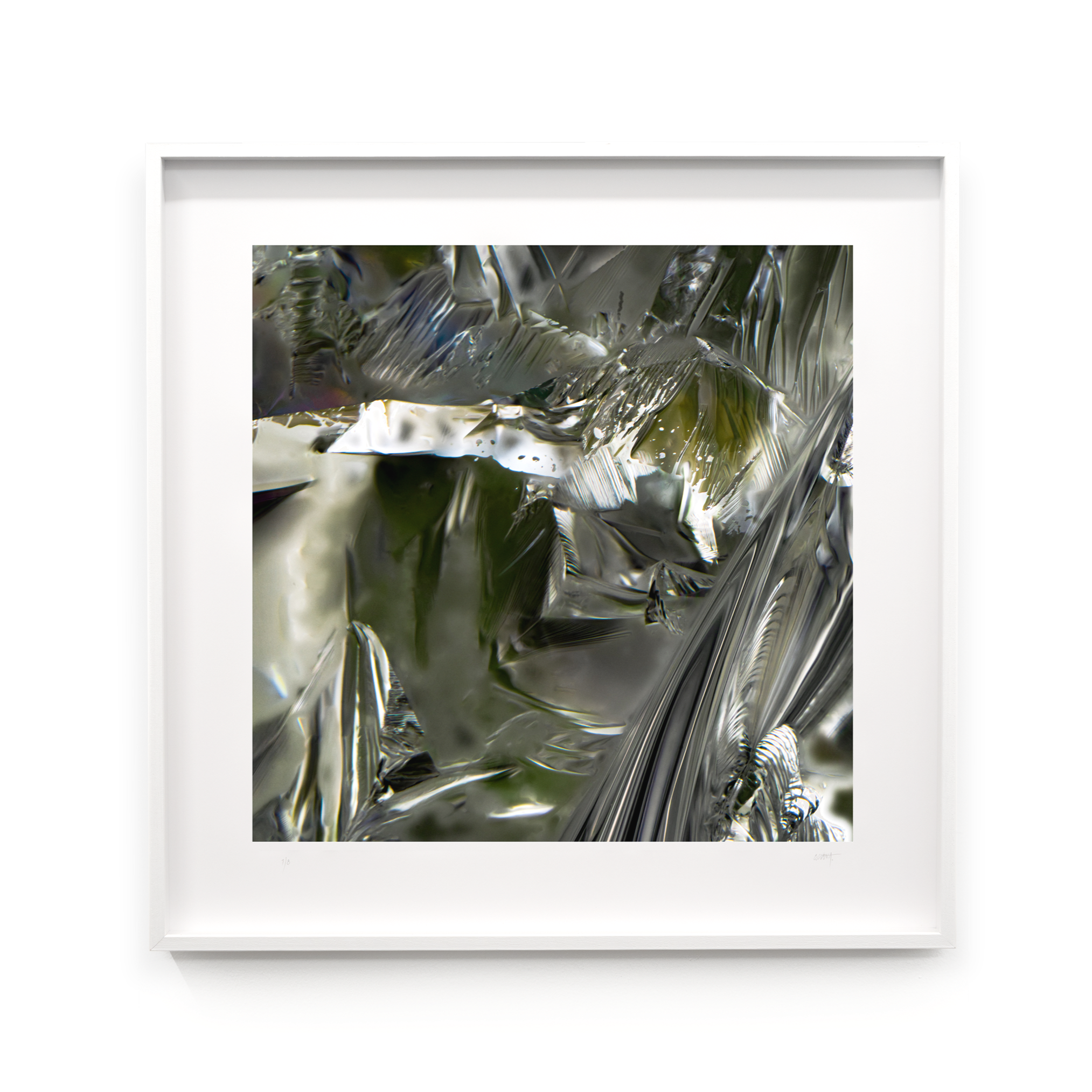
06
FIELD COLLISION
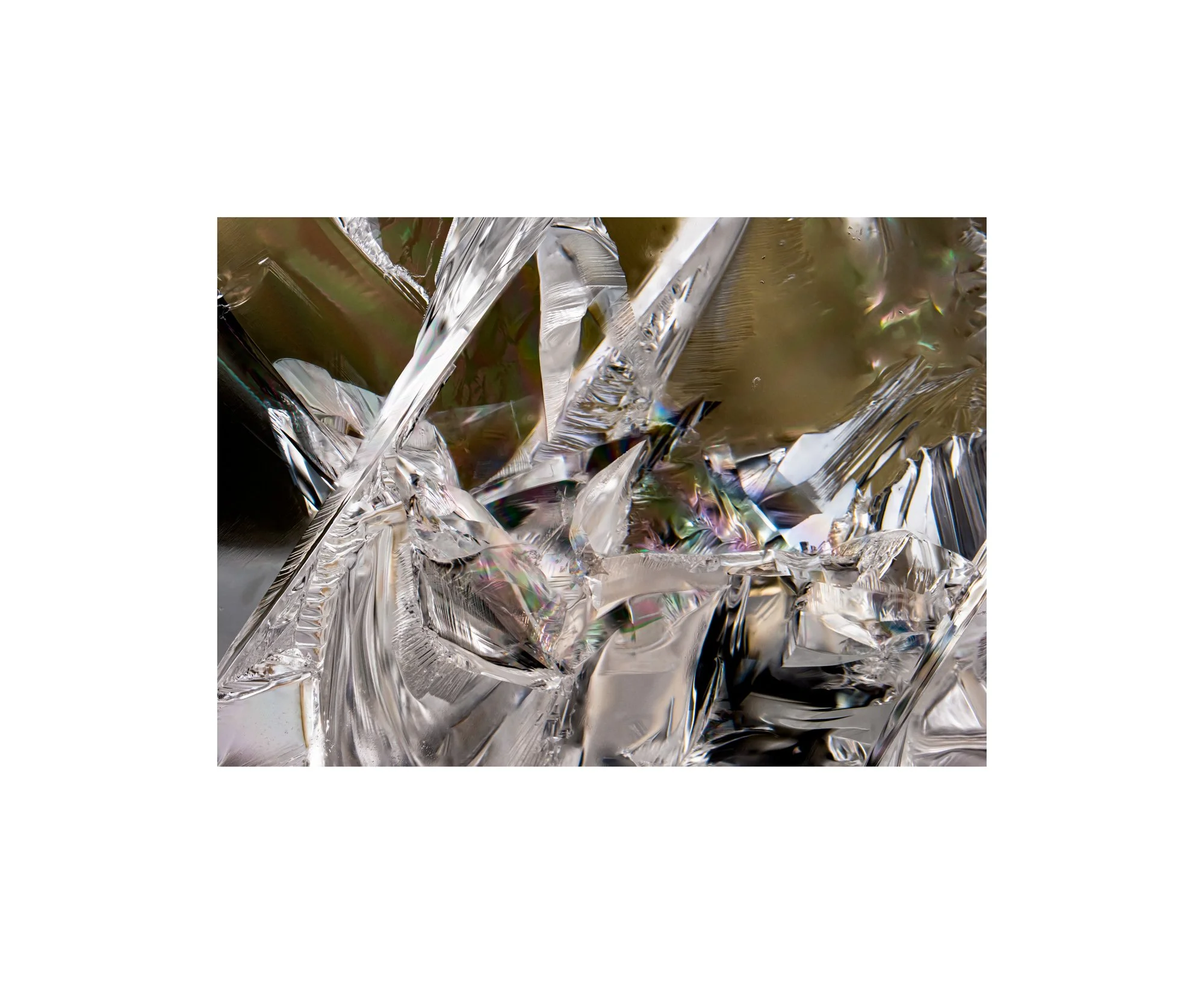
FIELD COLLISION
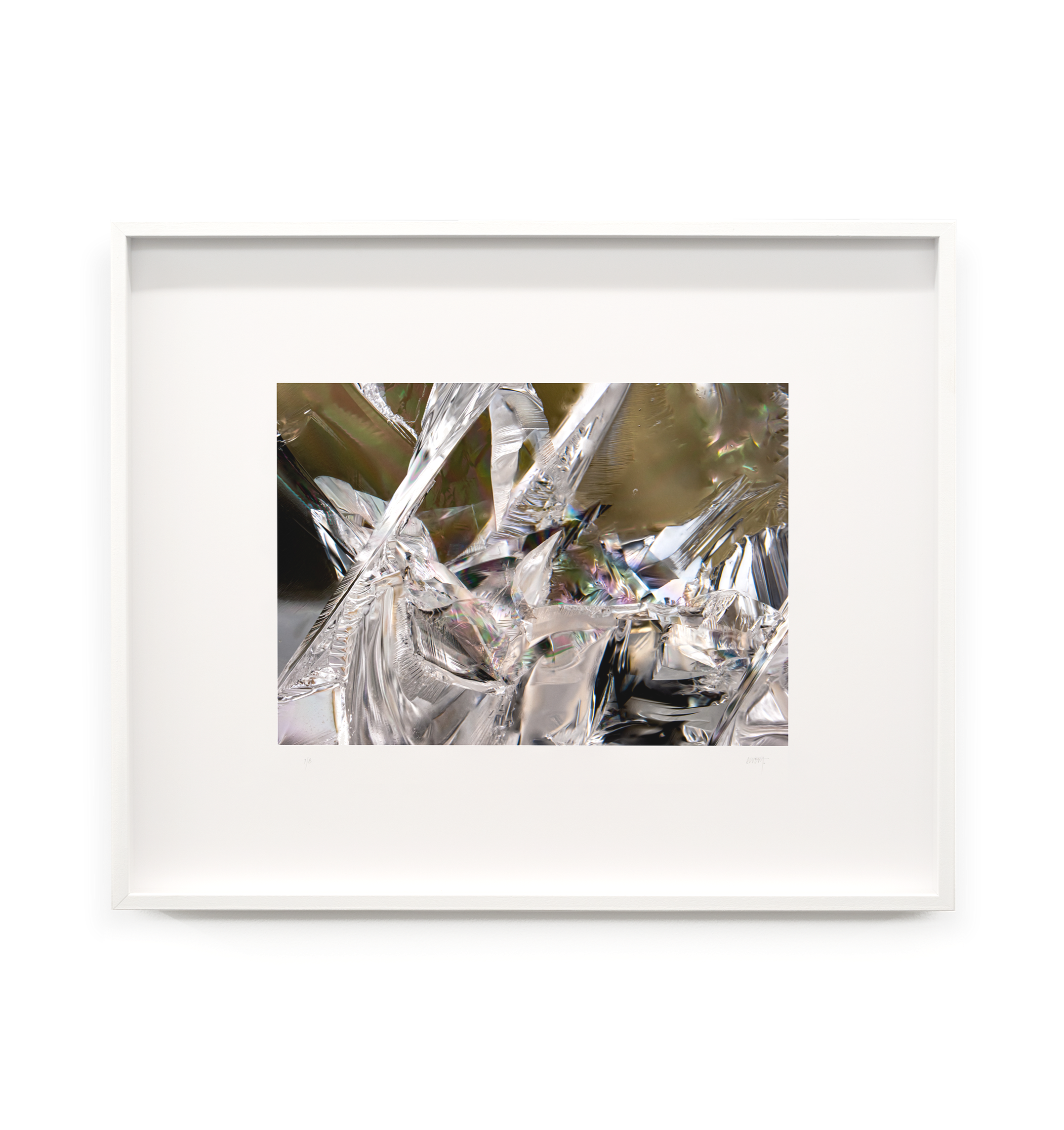
Different structures seemed to converge with an unexpected intensity.
What interested me was that the encounter didn't feel destructive. The forms appeared energised by their contact, as though the collision were generating something rather than breaking it apart.Archival pigment print on Canson Arches 88
Custom white painted oak box frame, ArtGlass glazing
705 × 580 mm (framed)
Edition of 8 + 2 AP
07
APERTURE TRANSMISSION
APERTURE TRANSMISSION
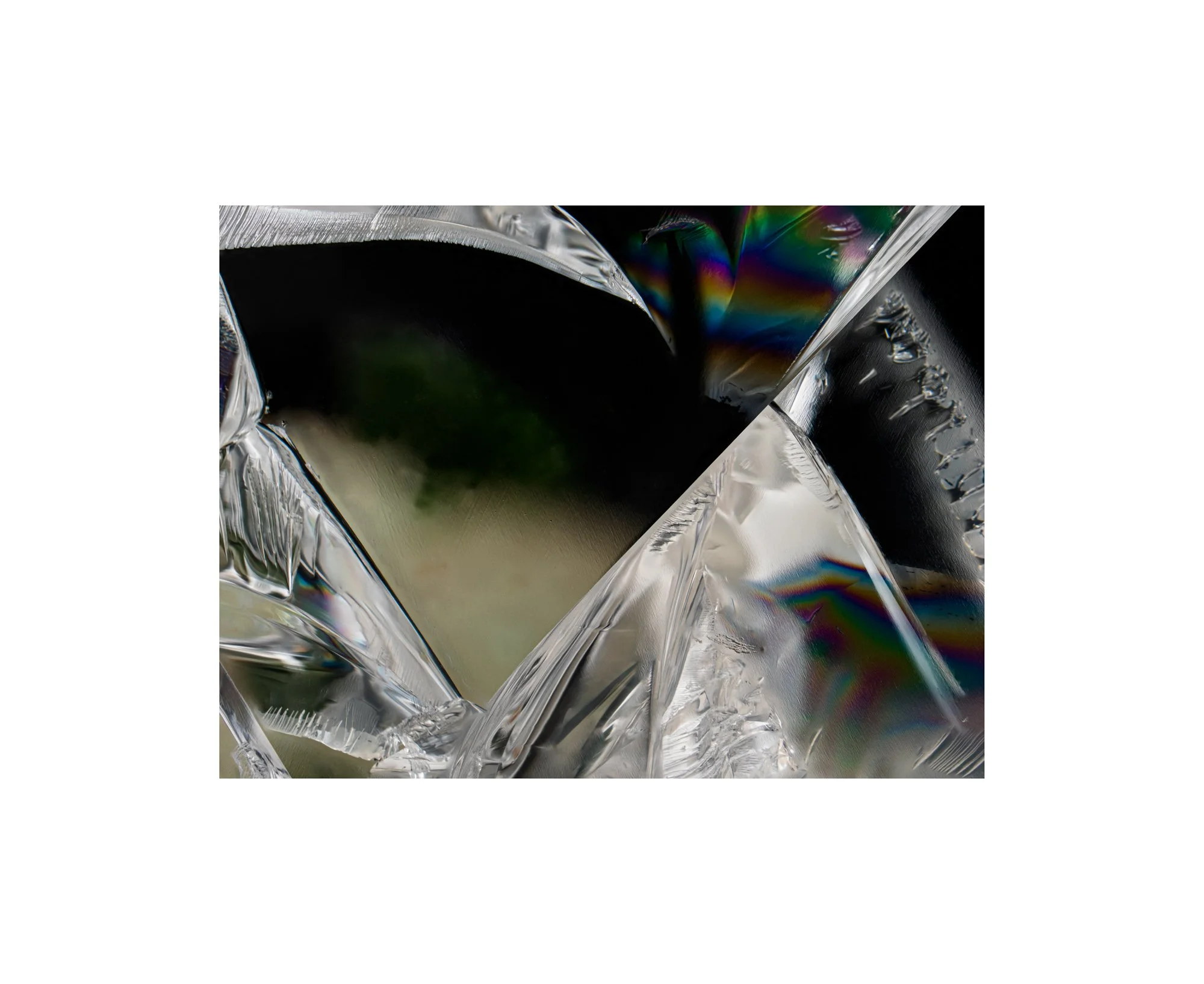
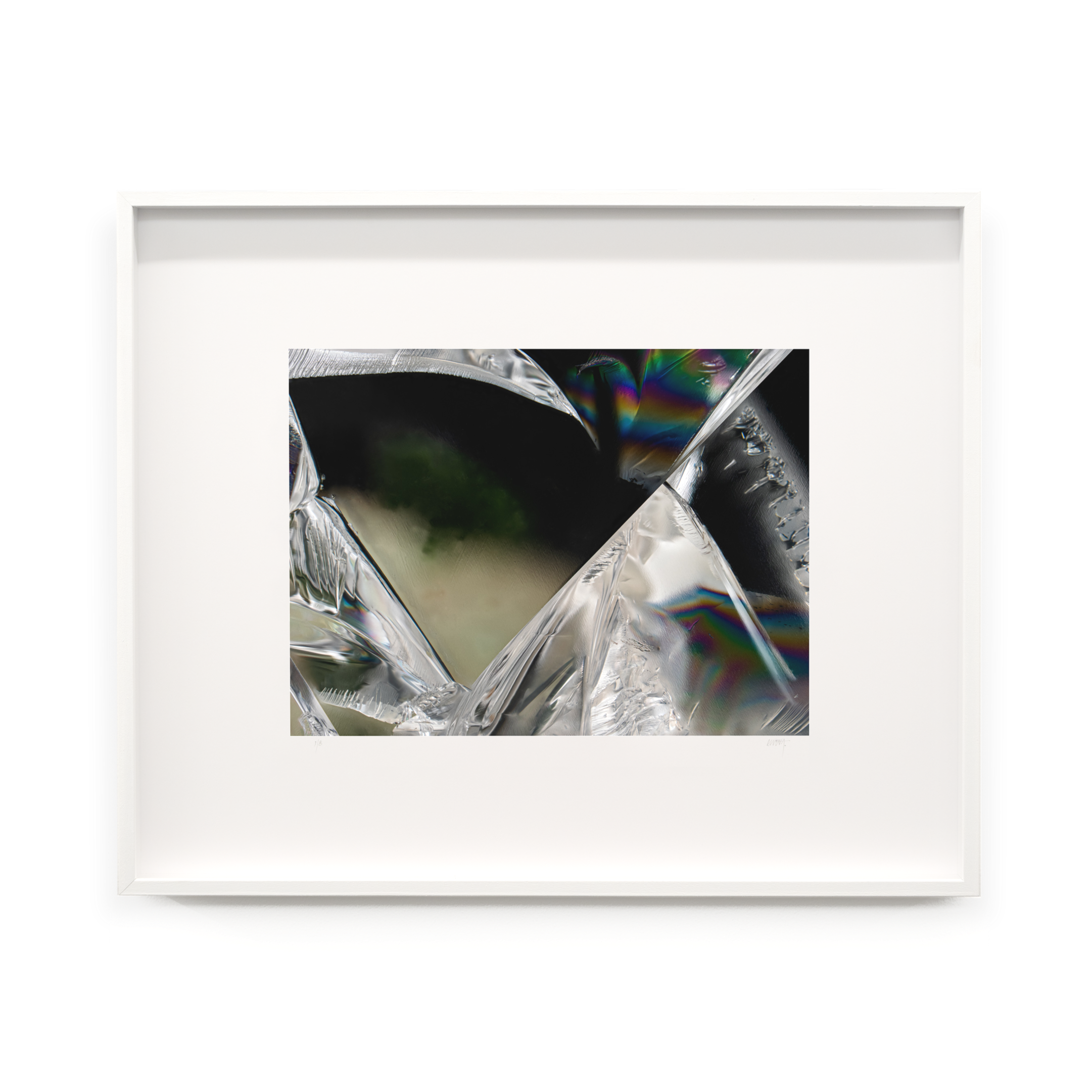
Two forms seemed to reach towards one another, stopping just short of contact.
I was drawn to the narrow opening between them and the colour radiating from that point. My attention shifted away from the forms themselves towards the space they created, which seemed to carry an energy of its own.
Archival pigment print on Canson Arches 88
Custom white painted oak box frame, ArtGlass glazing
705 × 580 mm (framed)
Edition of 8 + 2 AP
08
SURFACE OCCLUSION
SURFACE OCCLUSION
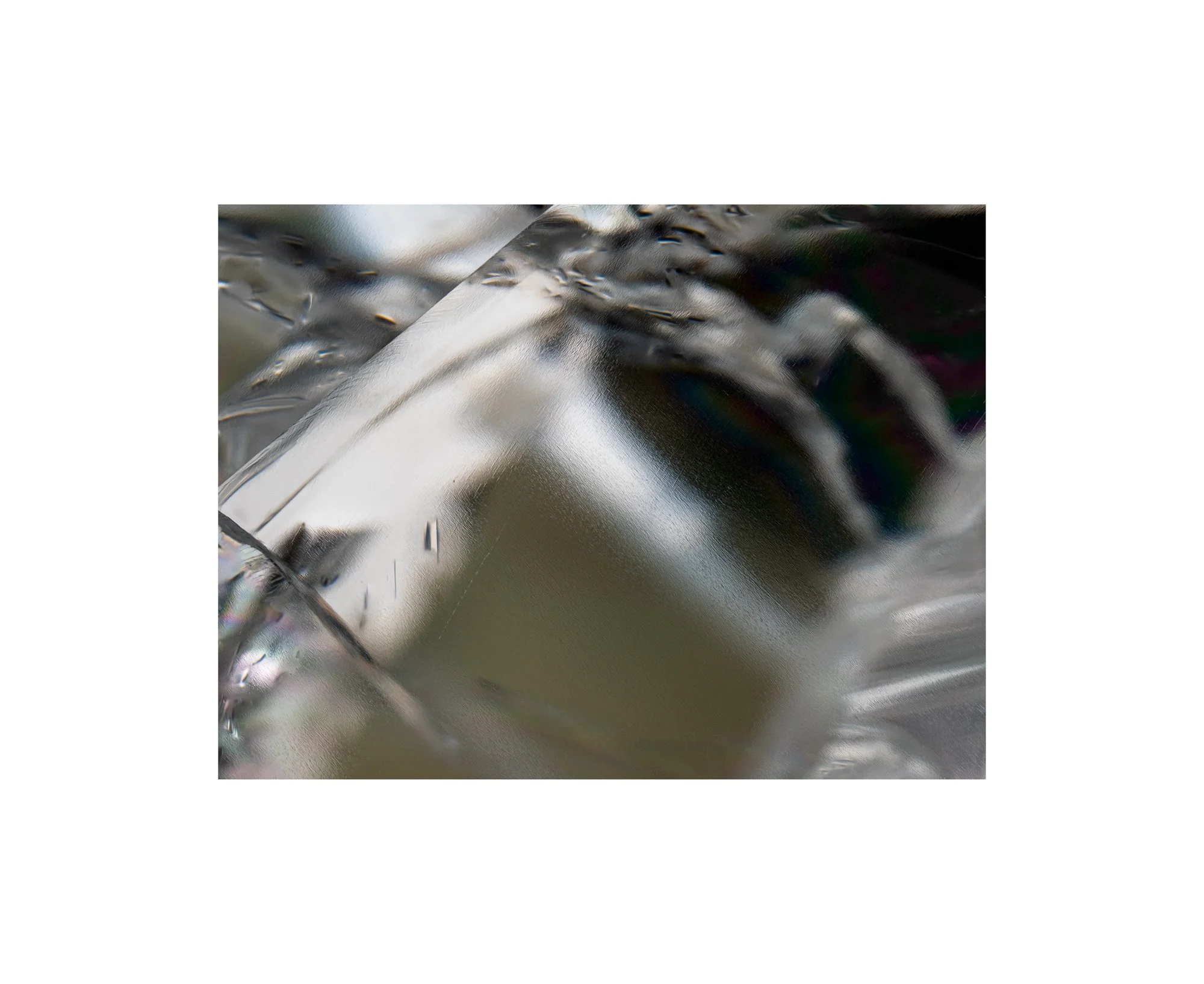
This felt like a moment of calm, one that could belong either before something happened or just after.
Everything appears to sit at the surface, yet there is a persistent sense of something beyond it. I was interested in how the surface could obscure as much as it revealed, making what I couldn't see feel more present.
Archival pigment print on Canson Arches 88
Custom white painted oak box frame, ArtGlass glazing
705 × 580 mm (framed)
Edition of 8 + 2 AP
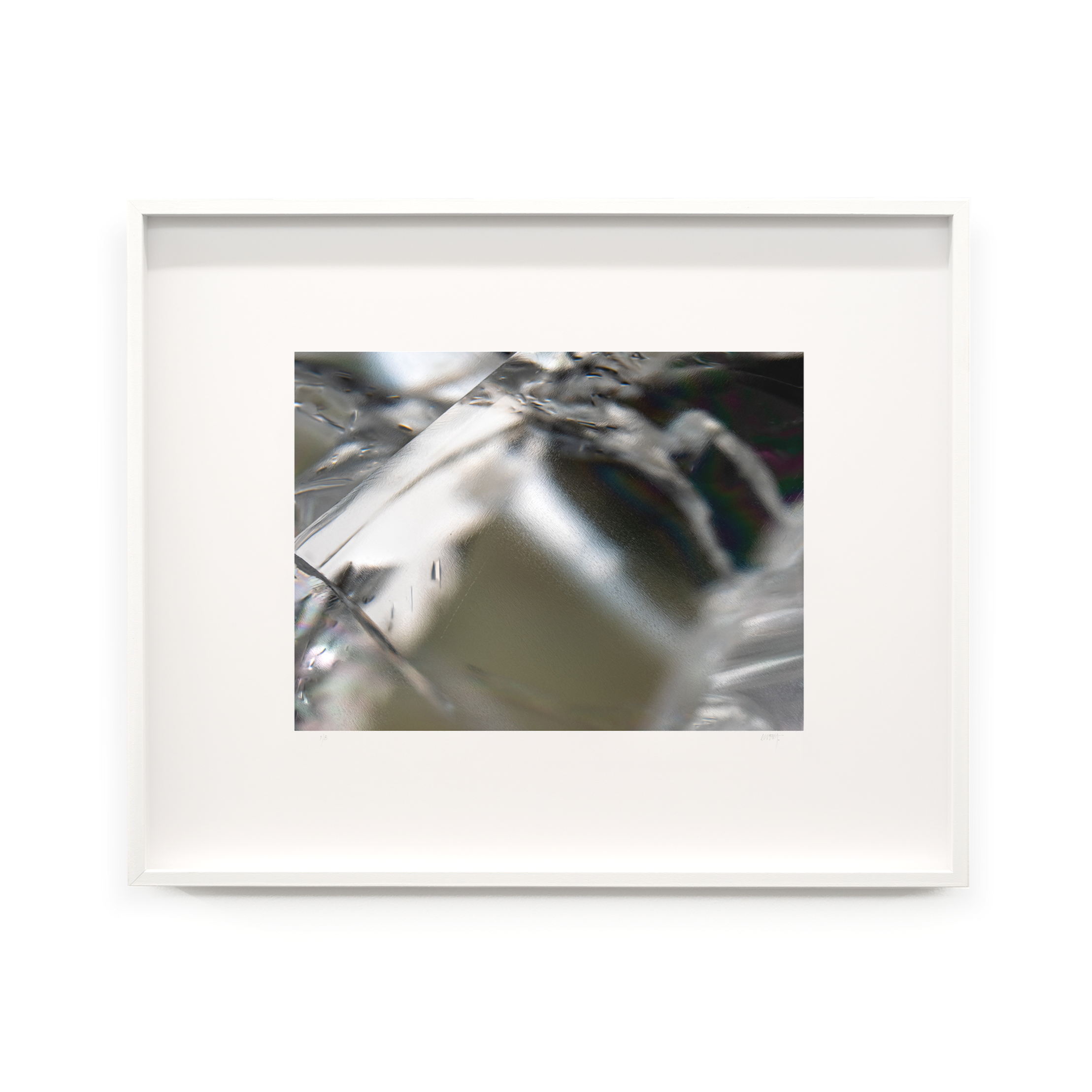
09
AXIS DEFLECTION
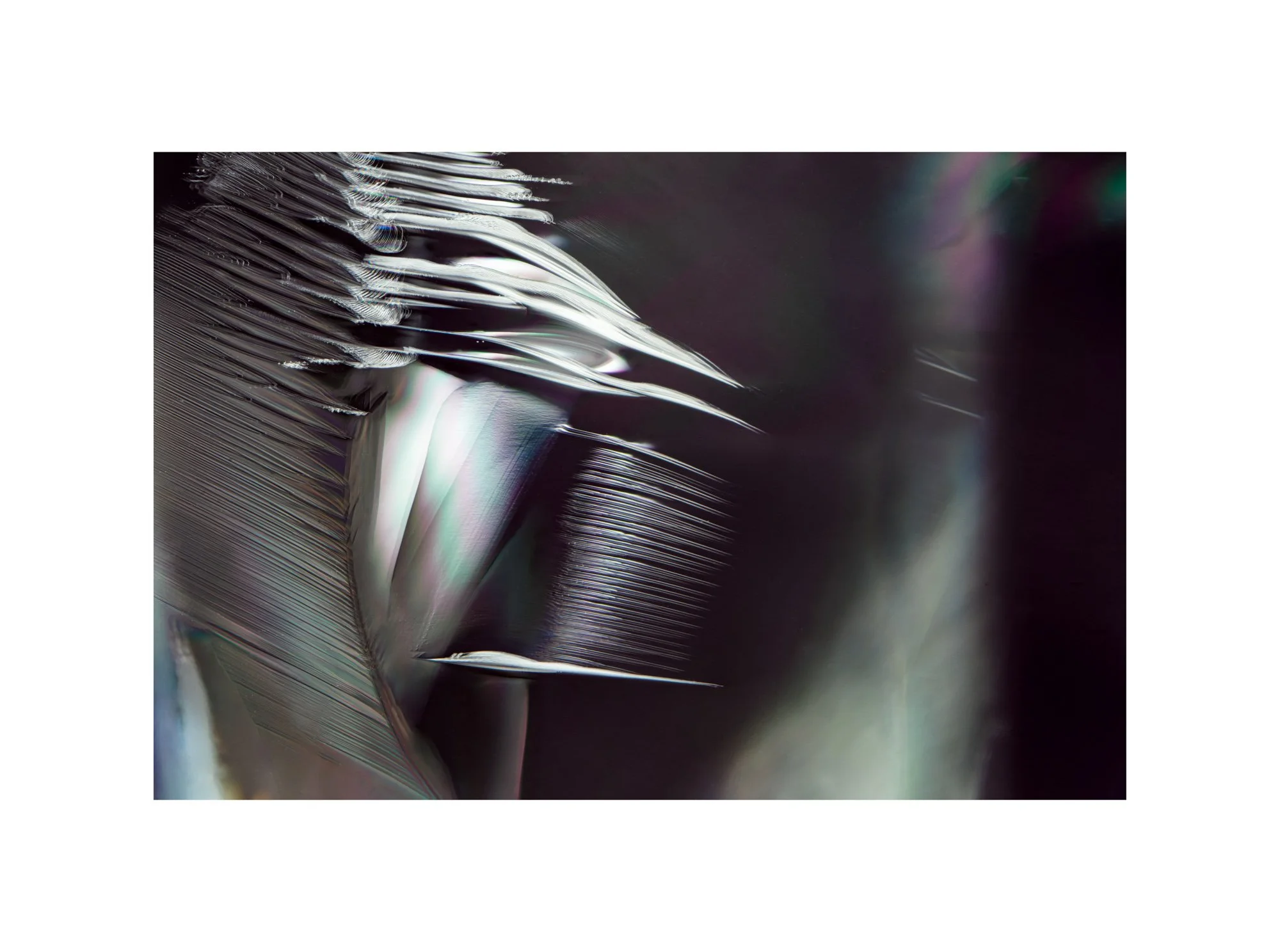
AXIS DEFLECTION
This felt defensive, as though the structure were responding to an external force.
The slight shaking and ghosting gave the image a sense of instability, while the repeated striations suggested resistance. I imagined something holding its position under pressure, bending and deflecting rather than giving way.
Archival pigment print on Canson Arches 88
Custom white painted oak box frame, ArtGlass glazing
1075 × 805 mm (framed)
Edition of 8 + 2 AP
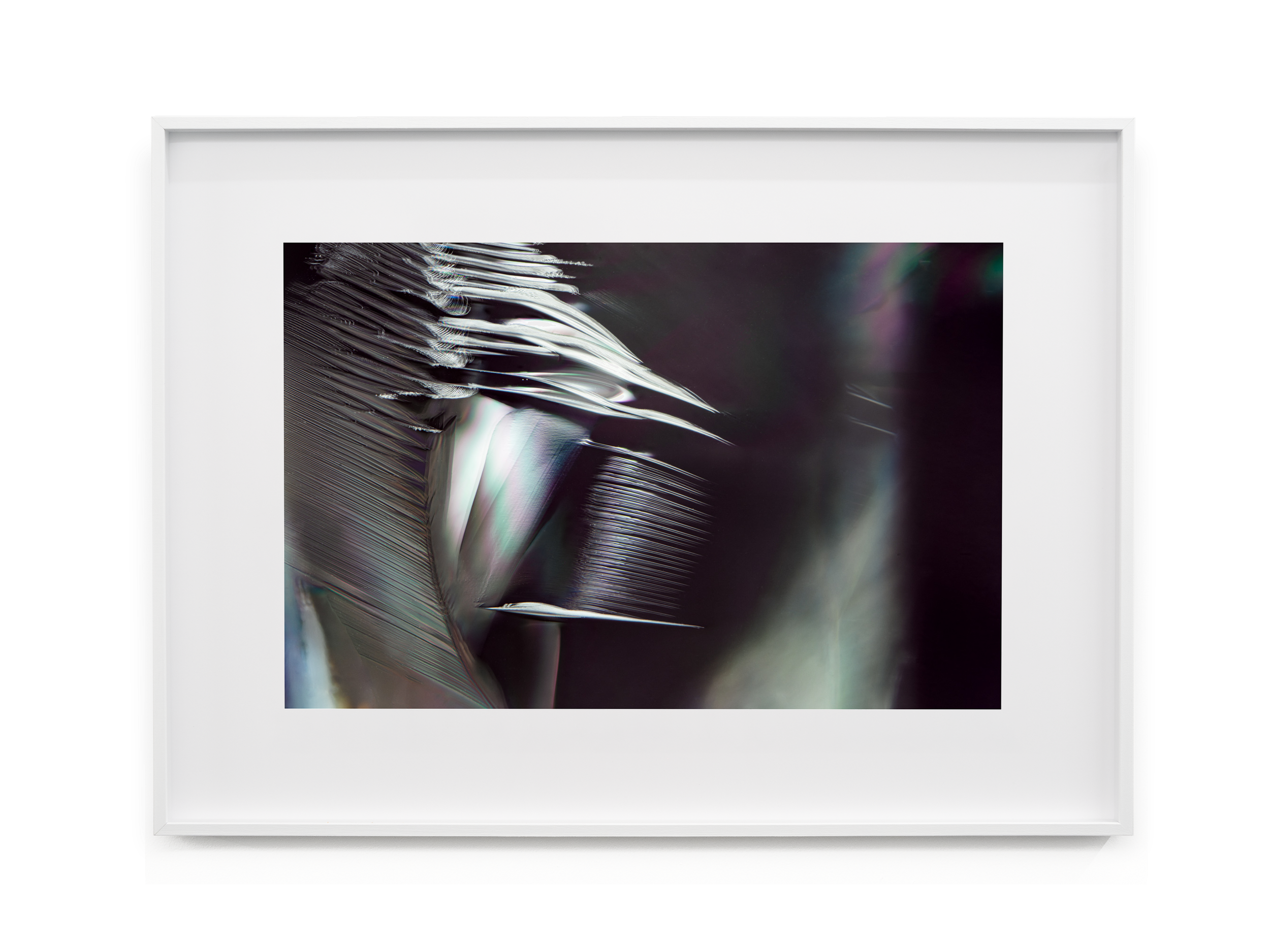
10
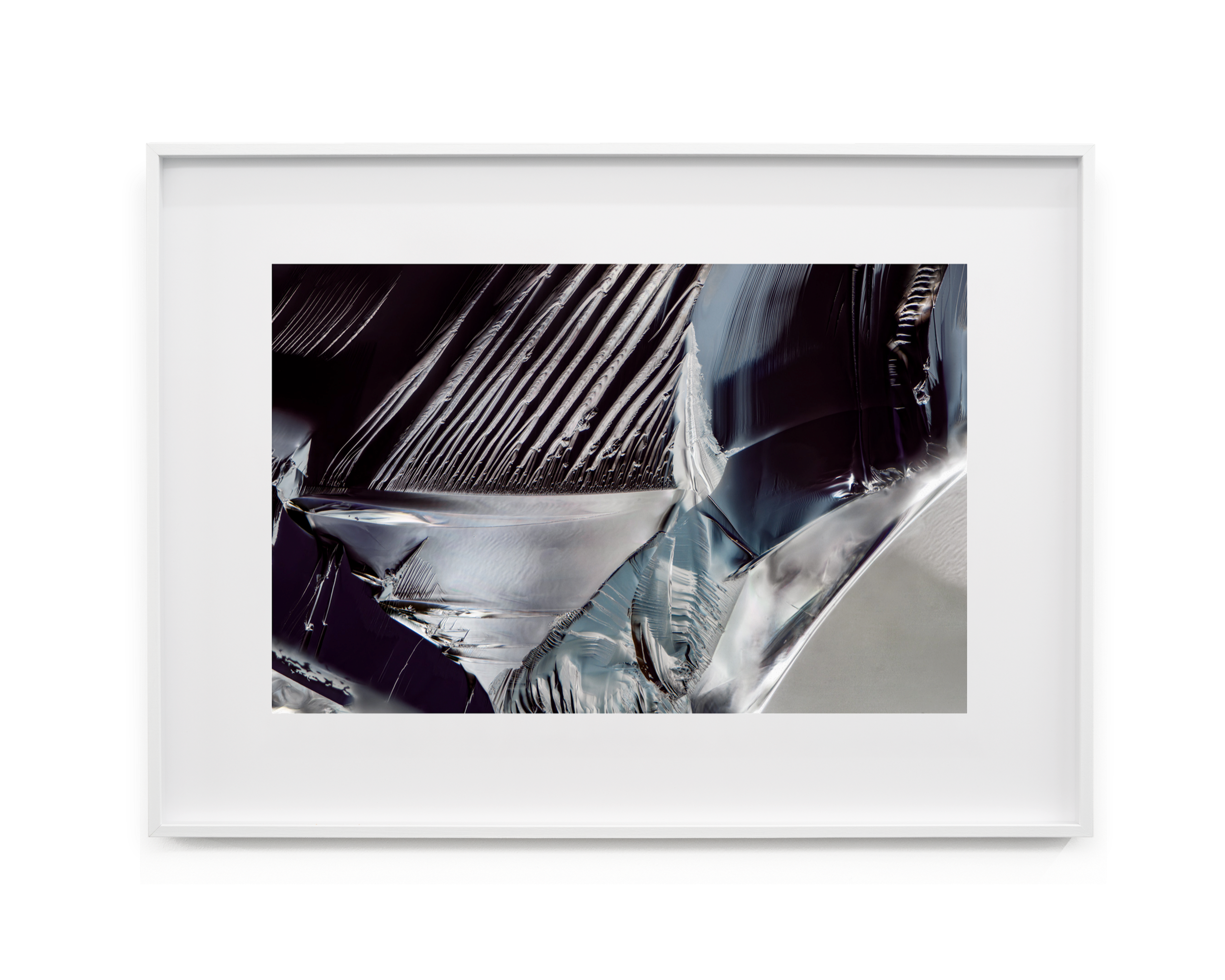
STRATA SHEAR
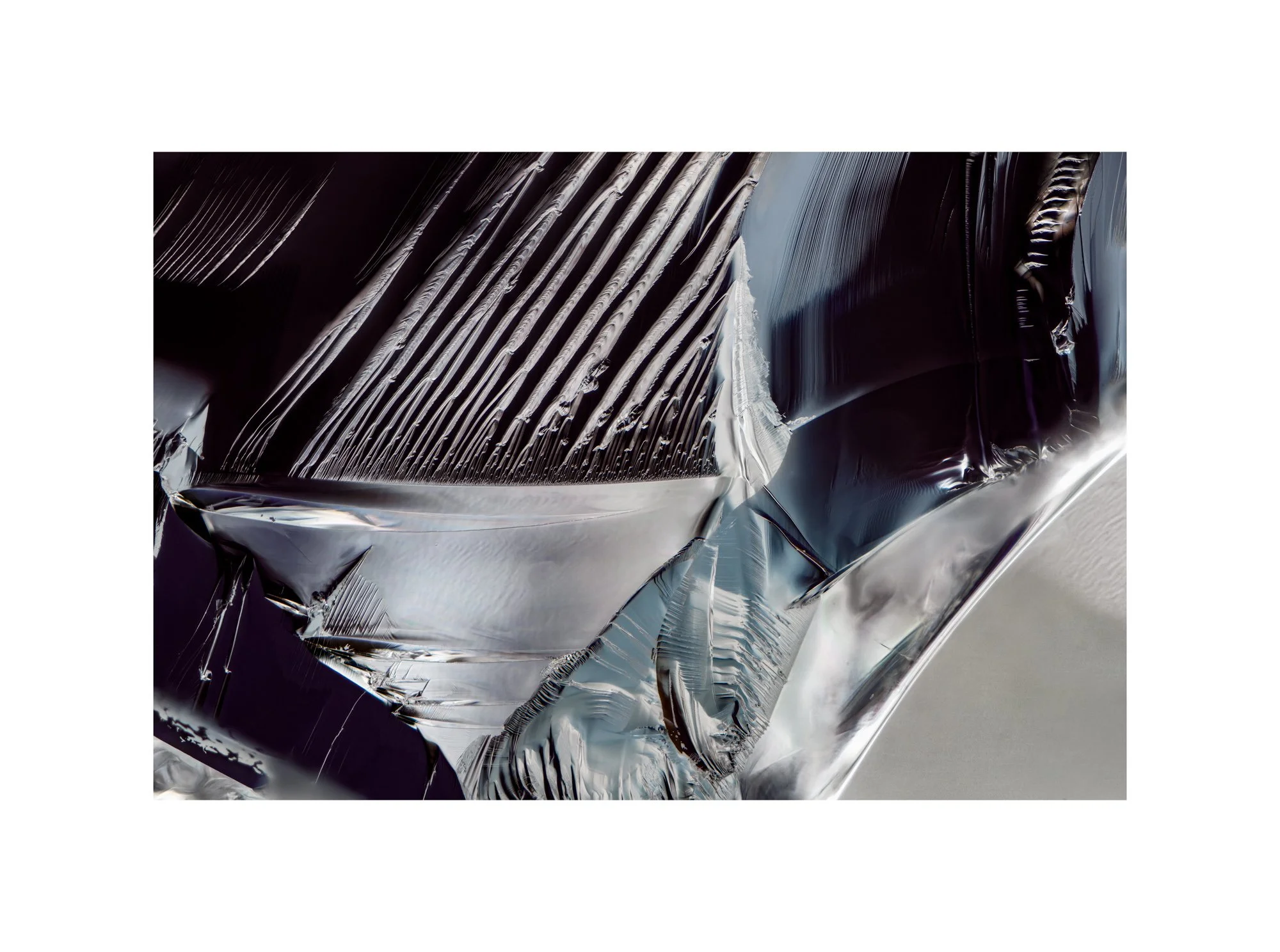
STRATA SHEAR
There was something unusually considered about this structure. The repetition felt almost architectural, as though each element had been deliberately positioned in relation to the next.
At the same time, I saw something biological. Louvres became gills, structure became anatomy. The repeated forms appeared layered and slightly displaced, as though one plane had shifted against another.
Archival pigment print on Canson Arches 88
Custom white painted oak box frame, ArtGlass glazing
1075 × 805 mm (framed)
Edition of 8 + 2 AP
11
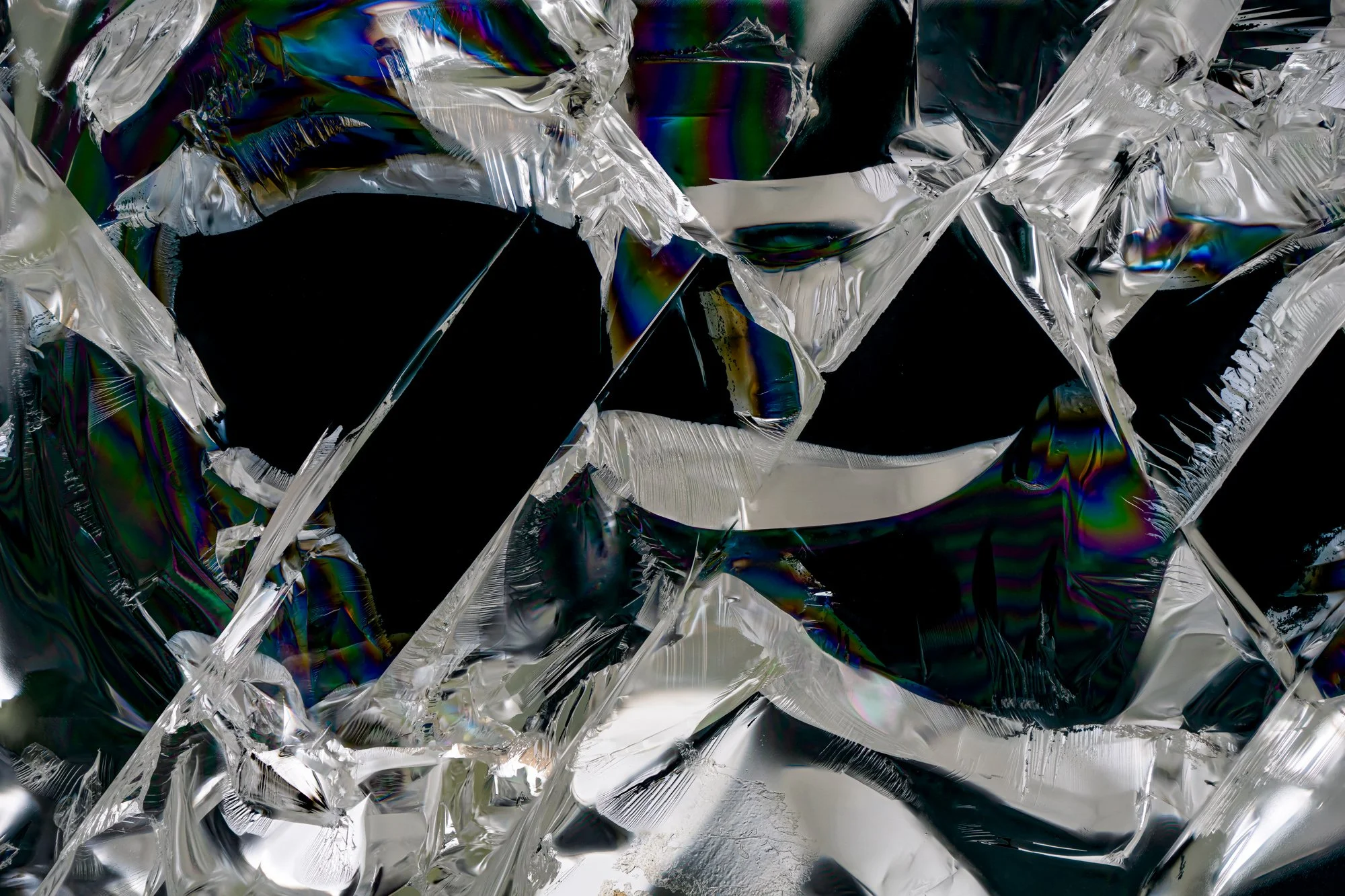
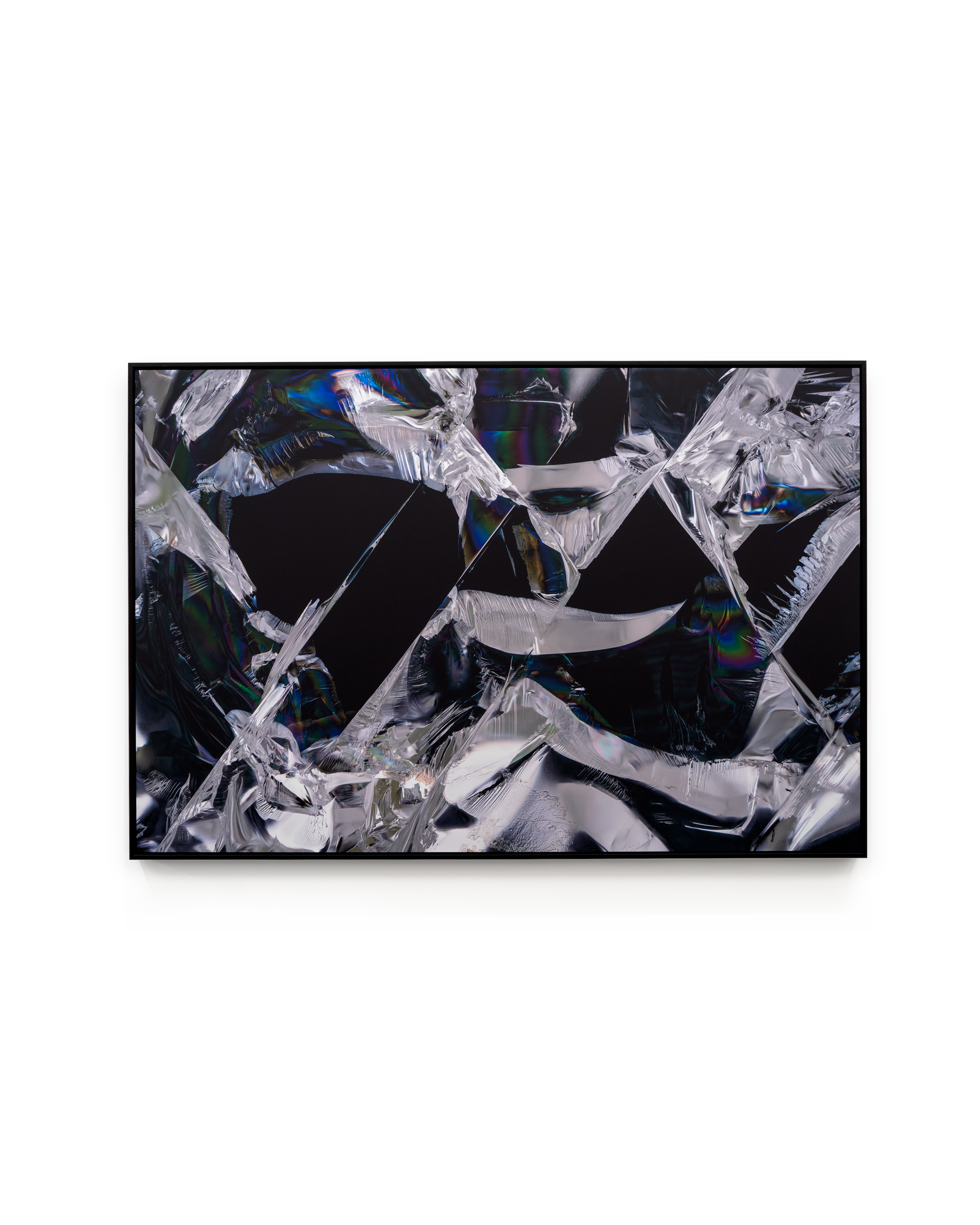
NETWORK EMERGENCE
NETWORK EMERGENCE
This felt like an establishing shot. The image opened into something expansive, almost a universe in itself, held together by an underlying structural system.
I began to see linked exoskeletons, connecting and overlapping beyond the frame. The longer I looked, the less it felt like a single image and the more it seemed to offer multiple points of entry.
UV pigment print on aluminium
Custom framed, unglazed
955 × 1420 mm (framed)
Edition of 8 + 2 AP
12
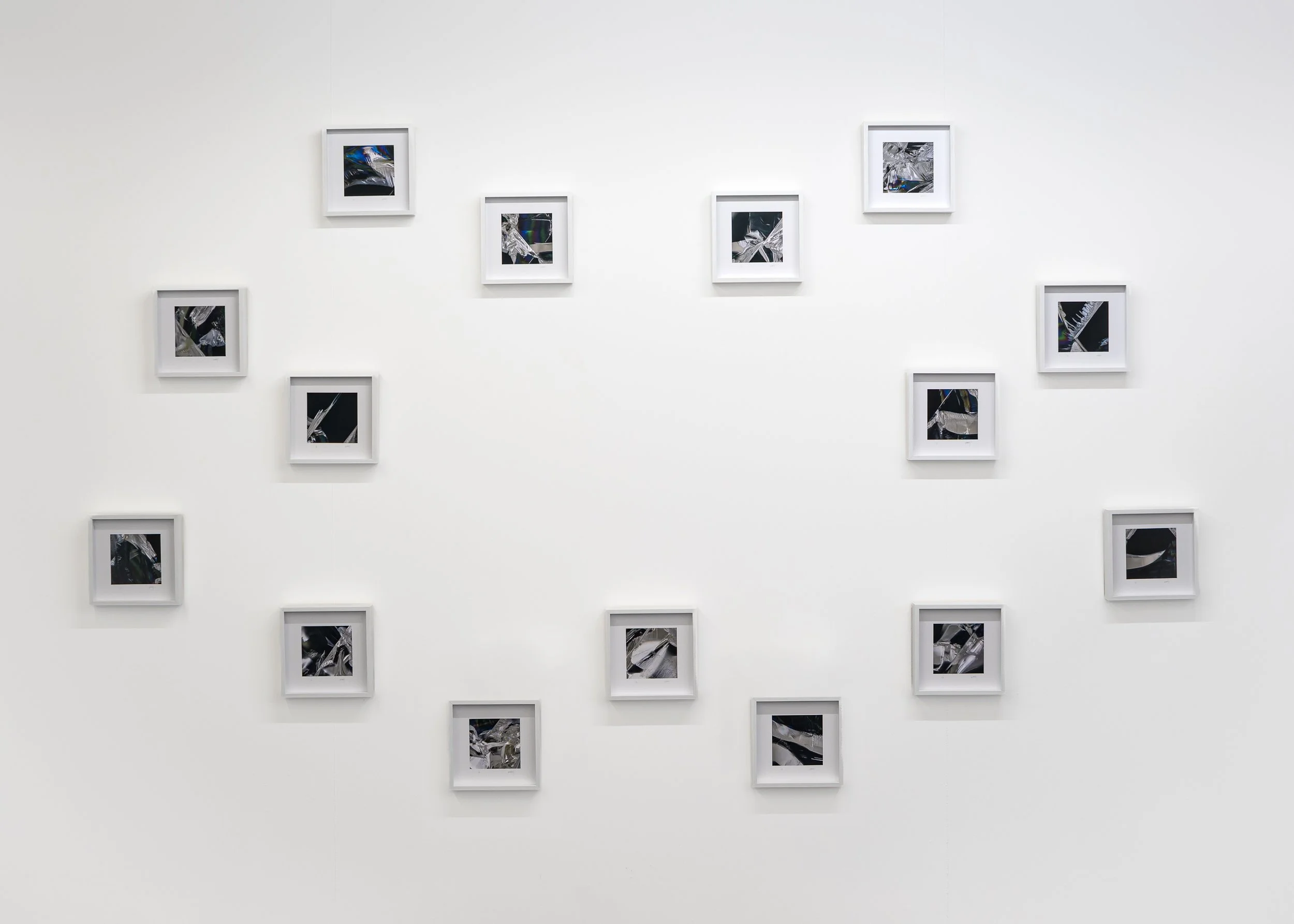
NETWORK EMERGENCE 01–15
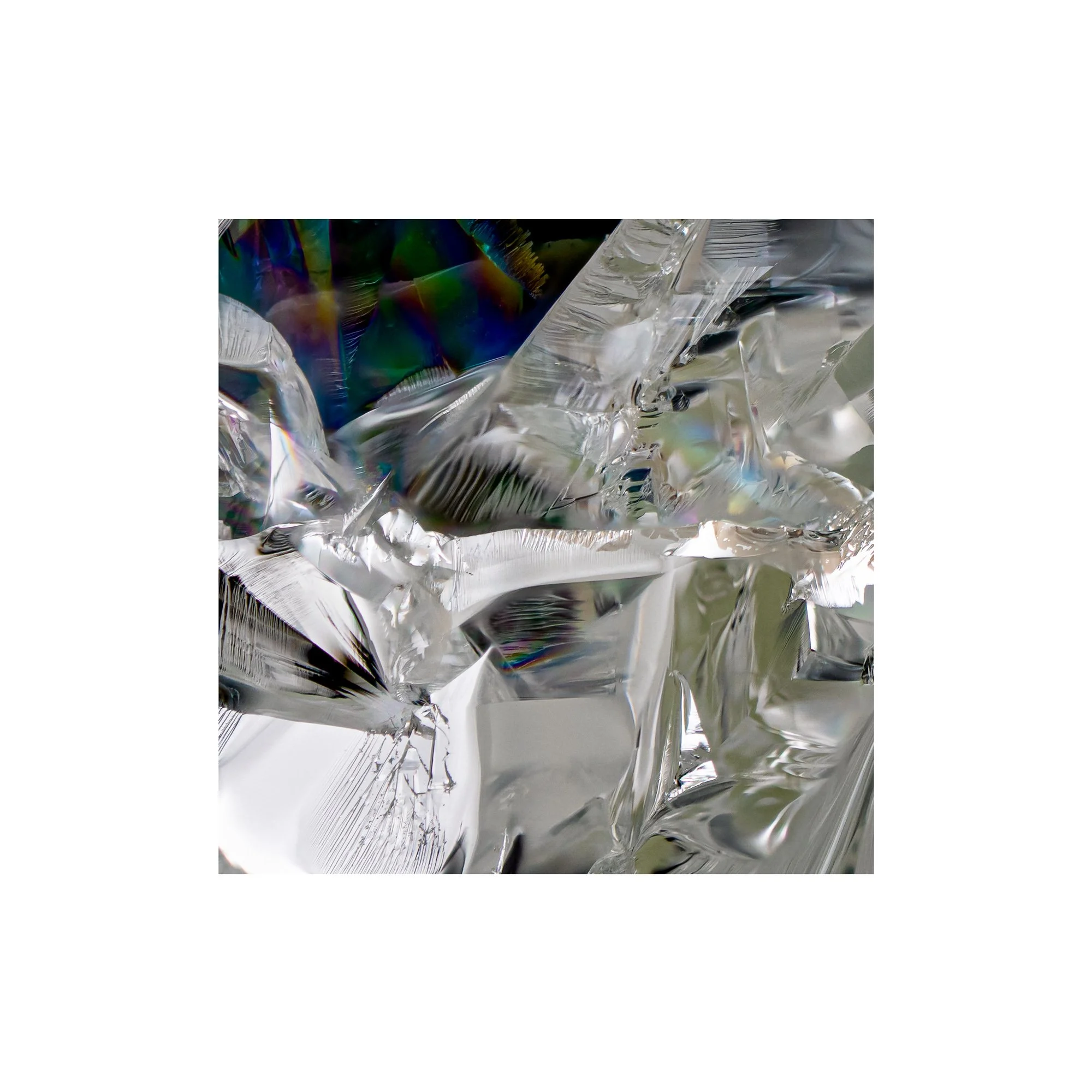
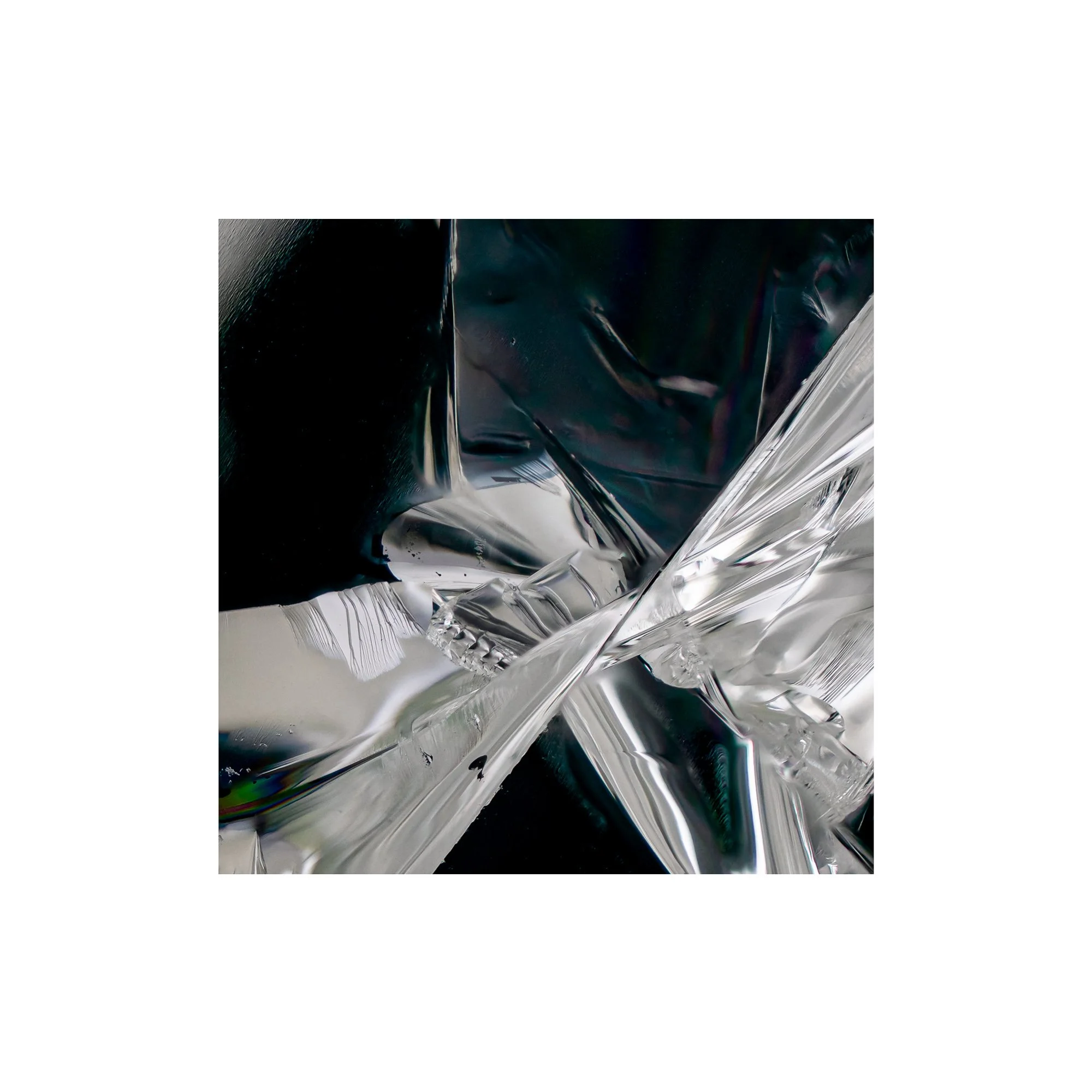
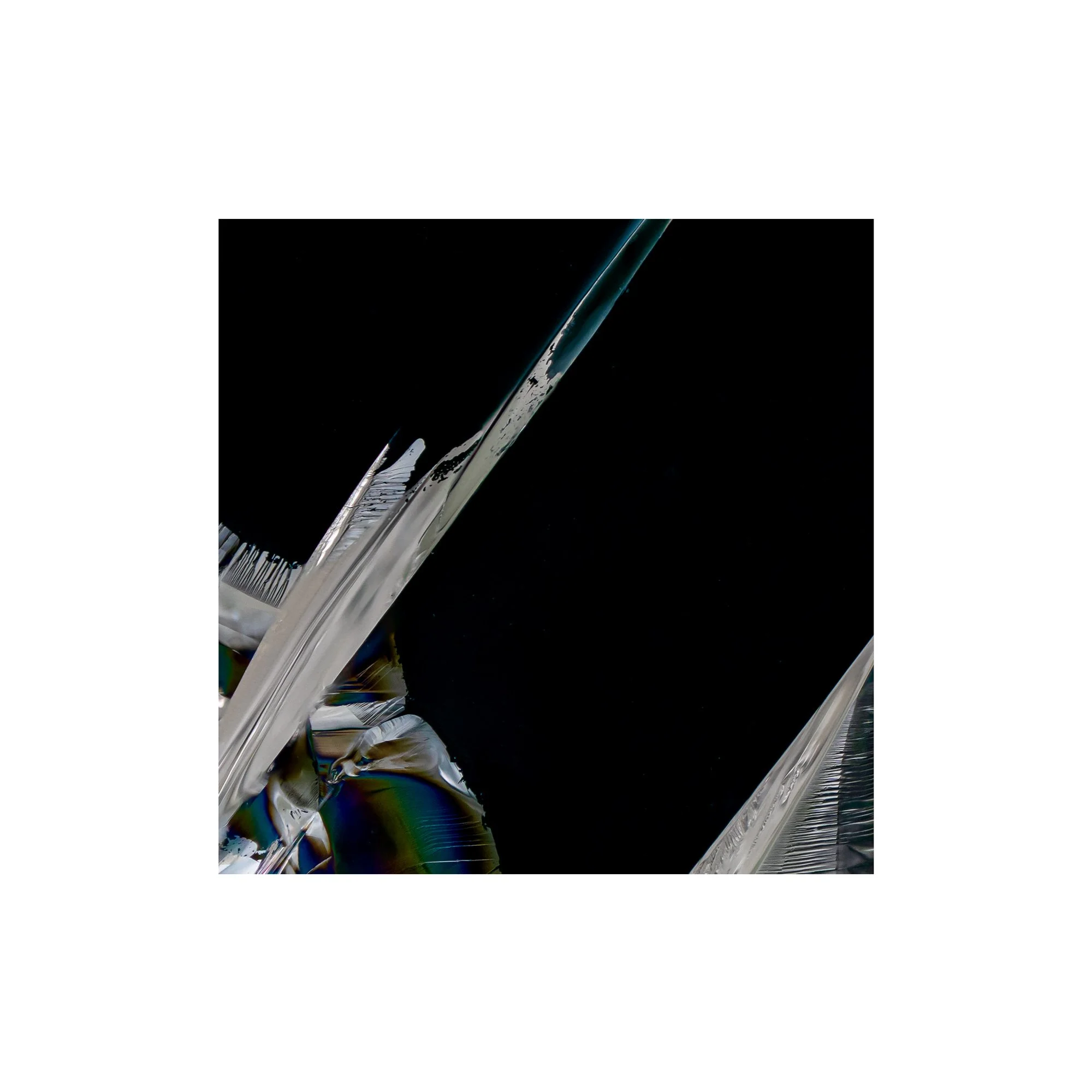
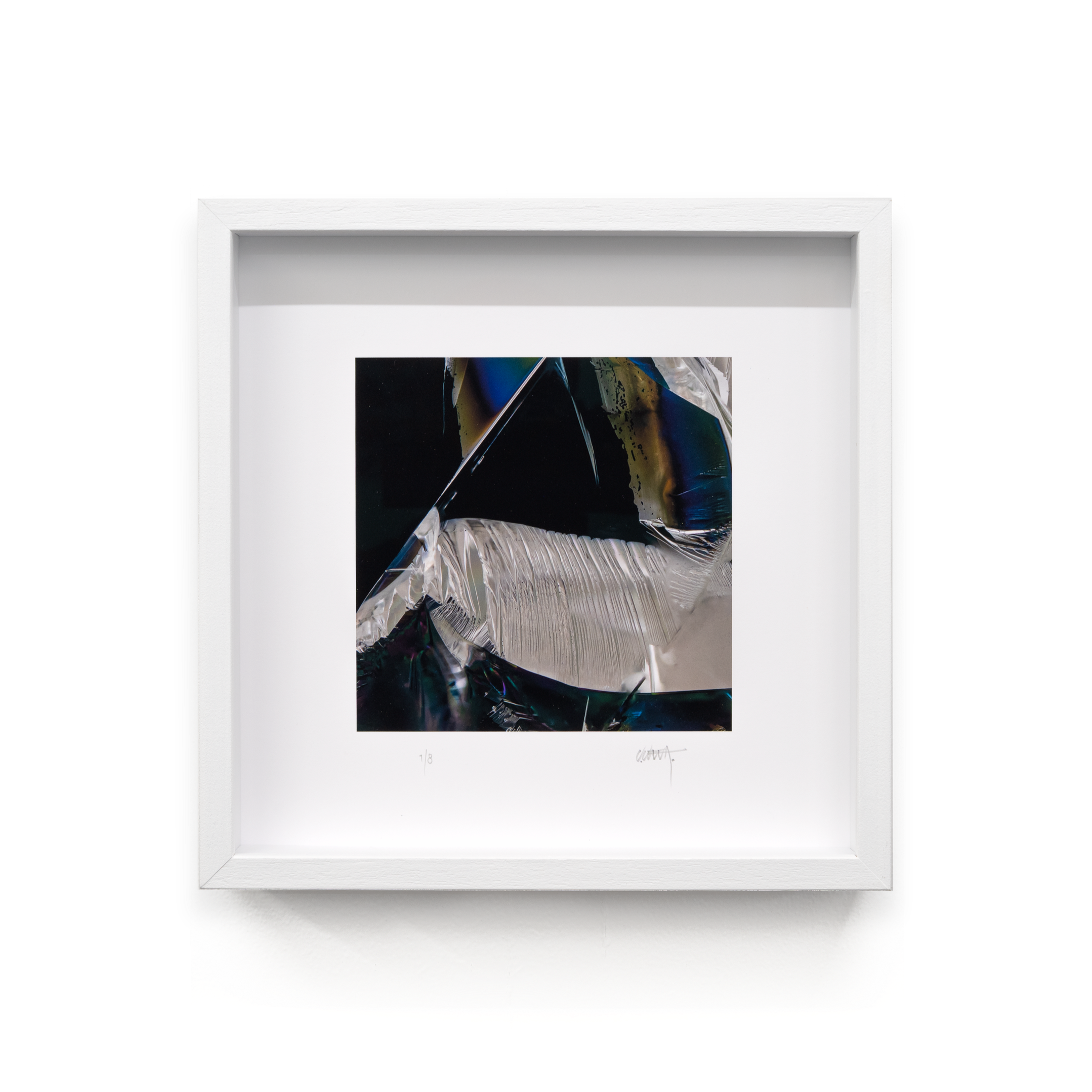
NETWORK EMERGENCE, NODES 01–15
I returned to the larger image, searching for details that contained the qualities I had been exploring throughout HIDDEN LINES.
Line, plane, fracture and void became my criteria. I selected fifteen areas where shifts in depth, light and structure held my attention. Removed from the larger image, each became a composition in its own right while remaining connected to the original network.
Archival pigment print on Canson Arches 88
Custom white painted oak box frame, ArtGlass glazing
15 individual works, 270 × 270 mm each (framed)
Edition of 8 + 2 AP
13
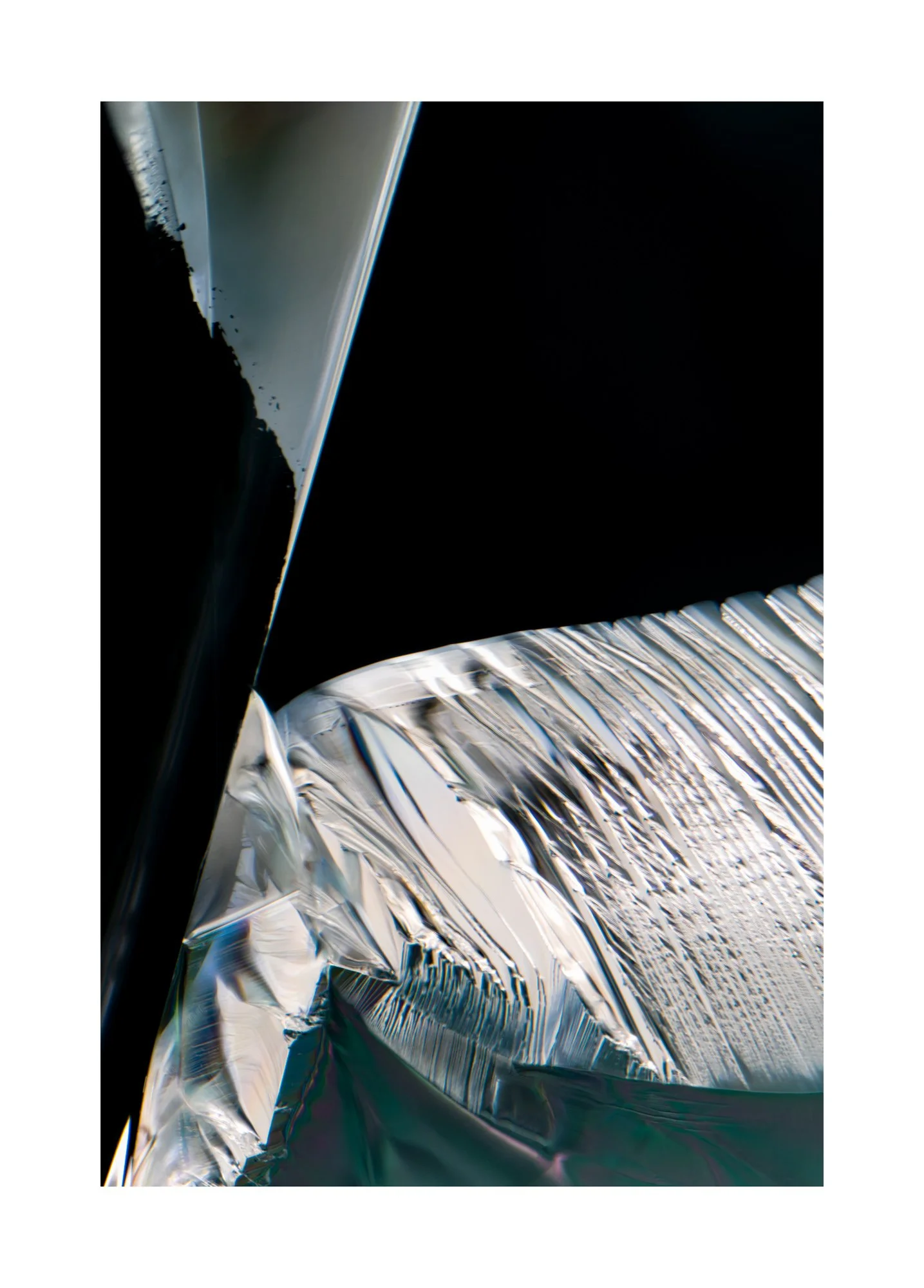
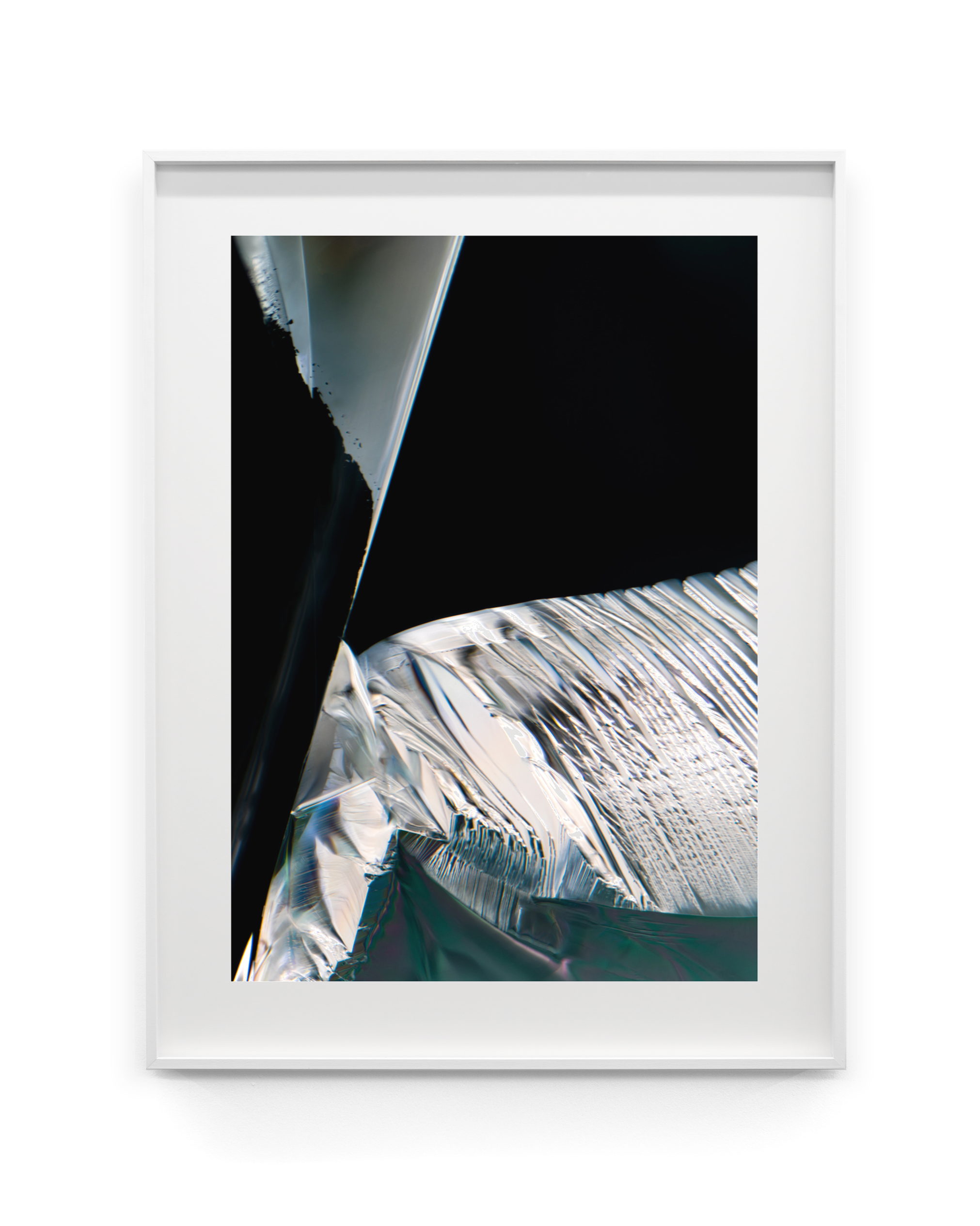
PLANE CONTACT
PLANE CONTACT
It felt as though I were witnessing a moment of first contact.
Two planes seemed to approach one another within an otherwise open space. I was drawn to the point between them, where their proximity created a sense of anticipation, as though something were about to happen.
Archival pigment print on Canson Arches 88
Custom white painted oak box frame, ArtGlass glazing
705 × 975 mm (framed)
Edition of 8 + 2 AP
SECTION DISPLACEMENT
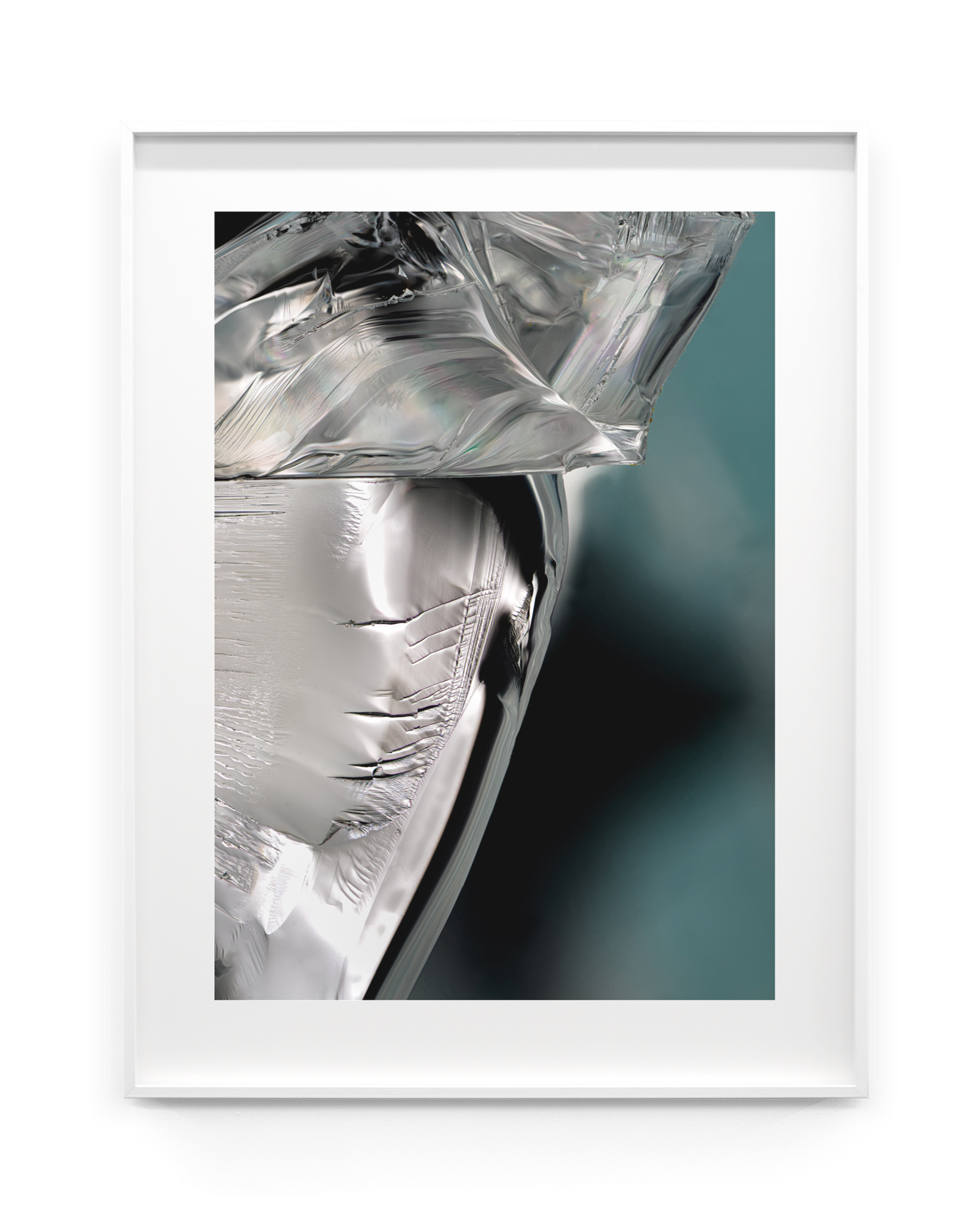
14
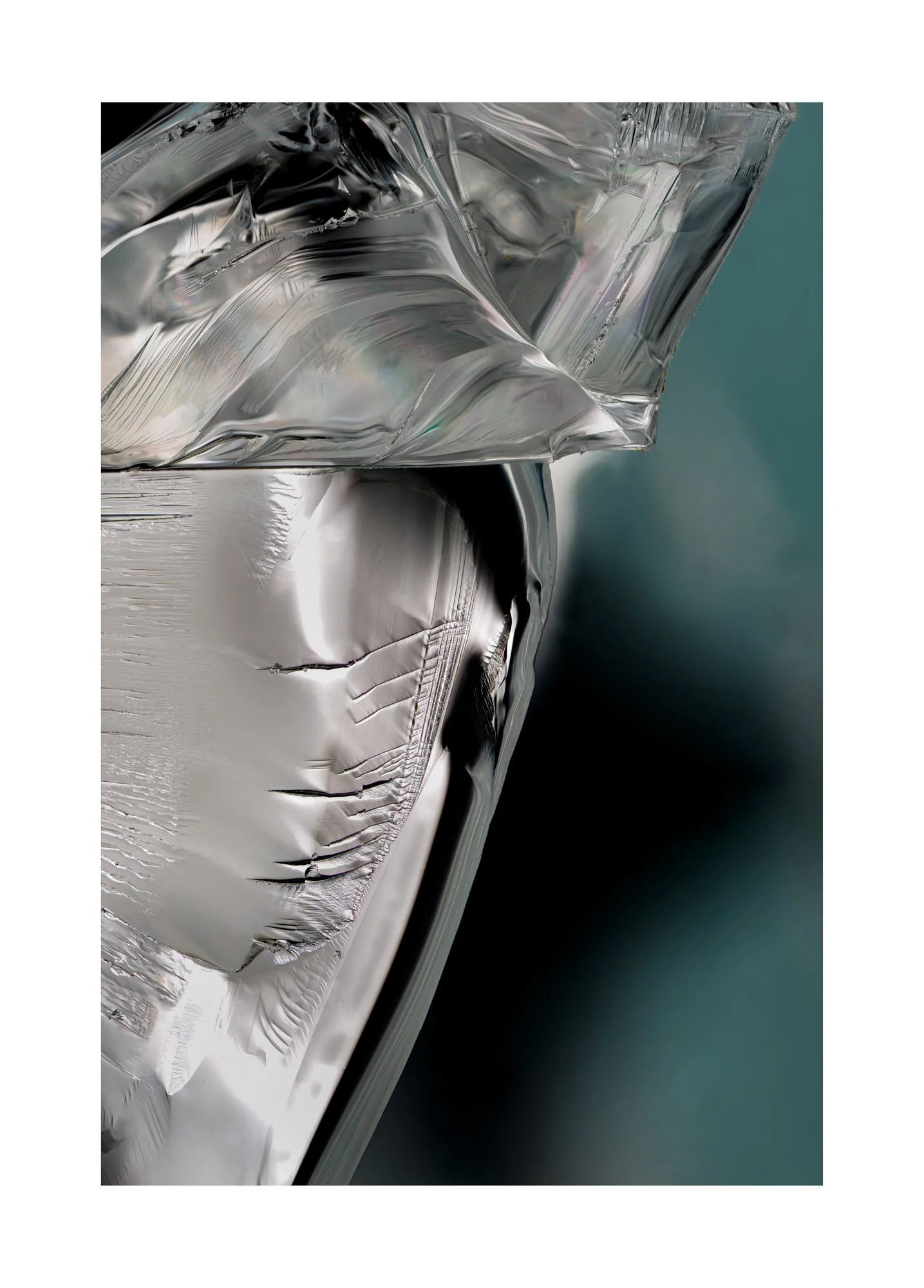
SECTION DISPLACEMENT
This felt like a transformation, as though contact had produced an exchange and the structure was beginning to respond.
The forms appeared to swell and expand, creating a sense of inflation from within. What had seemed fixed was becoming active, shifting outward as though something had been introduced into the system, triggering a process of growth.
Archival pigment print on Canson Arches 88
Custom white painted oak box frame, ArtGlass glazing
705 × 975 mm (framed)
Edition of 8 + 2 AP
BOUNDARY INTERFERENCE
15
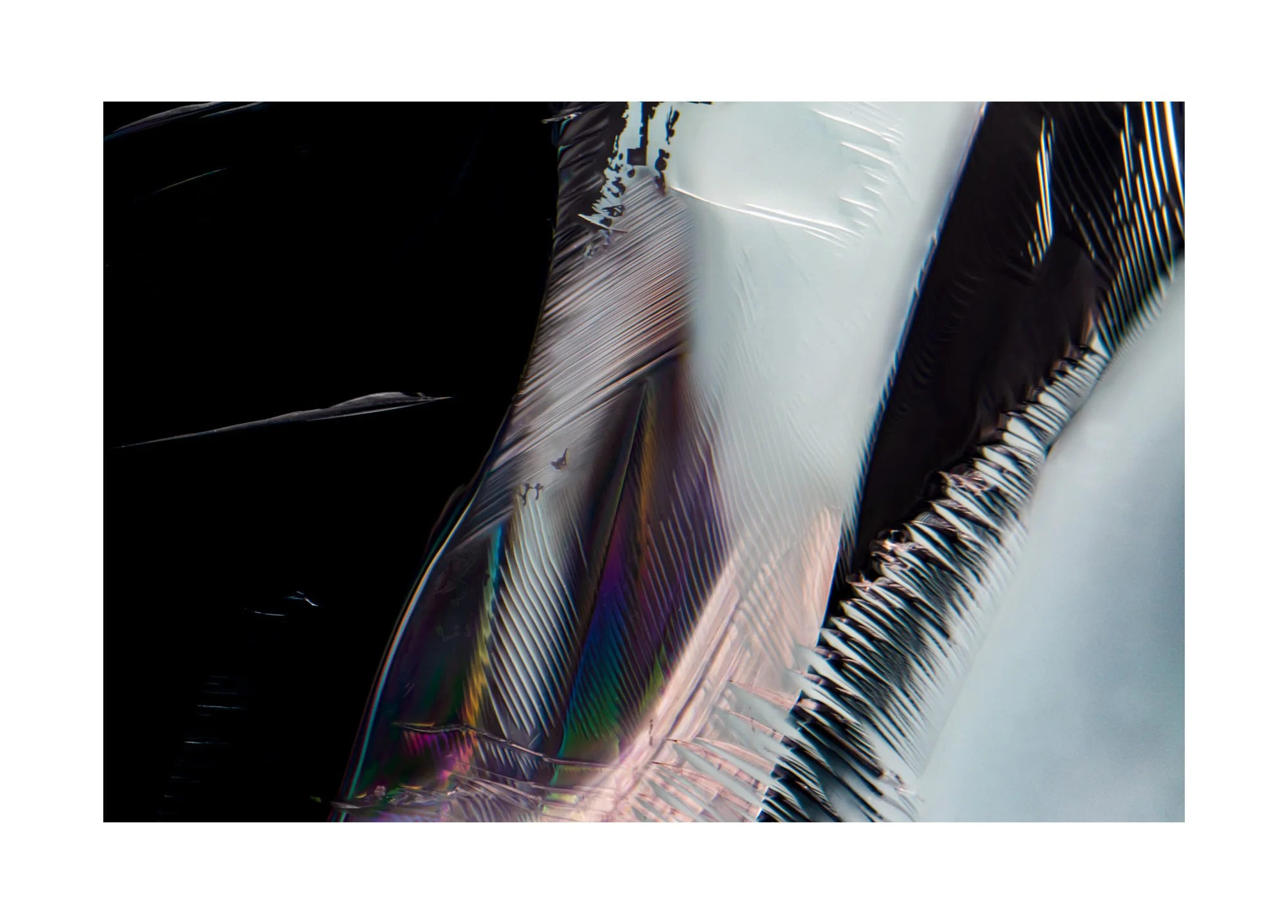
BOUNDARY INTERFERENCE
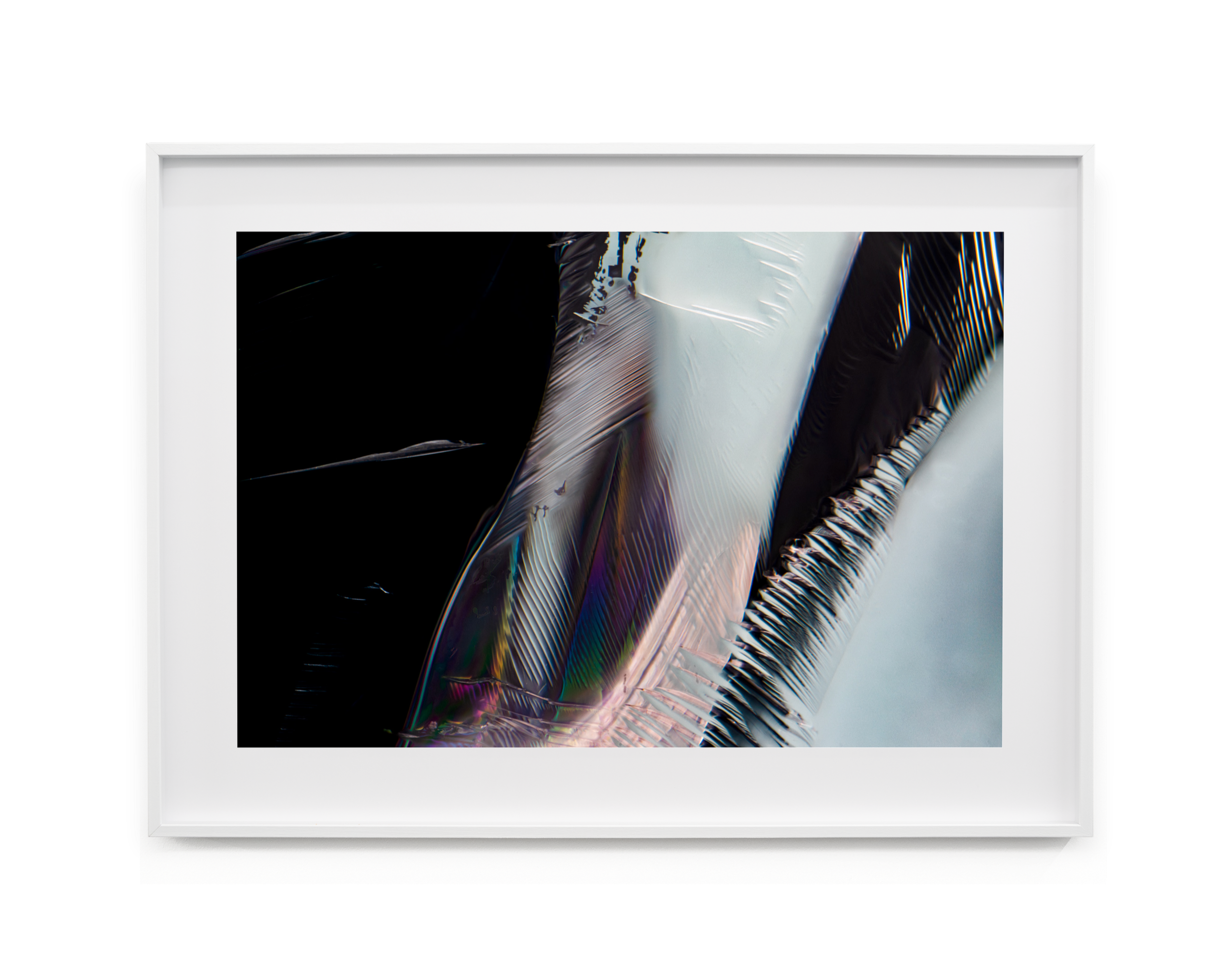
This felt like an exchange of information. Two distinct structures appeared to meet while remaining separate, with something passing between them.
I was drawn to the boundary itself, which seemed to become active at the point of contact. Rather than simply dividing the forms, it suggested a place of communication, where something could be transferred from one structure to another.
Archival pigment print on Canson Arches 88
Custom white painted oak box frame, ArtGlass glazing
975 × 705 mm (framed)
Edition of 8 + 2 AP
16
FIELD COMPRESSION
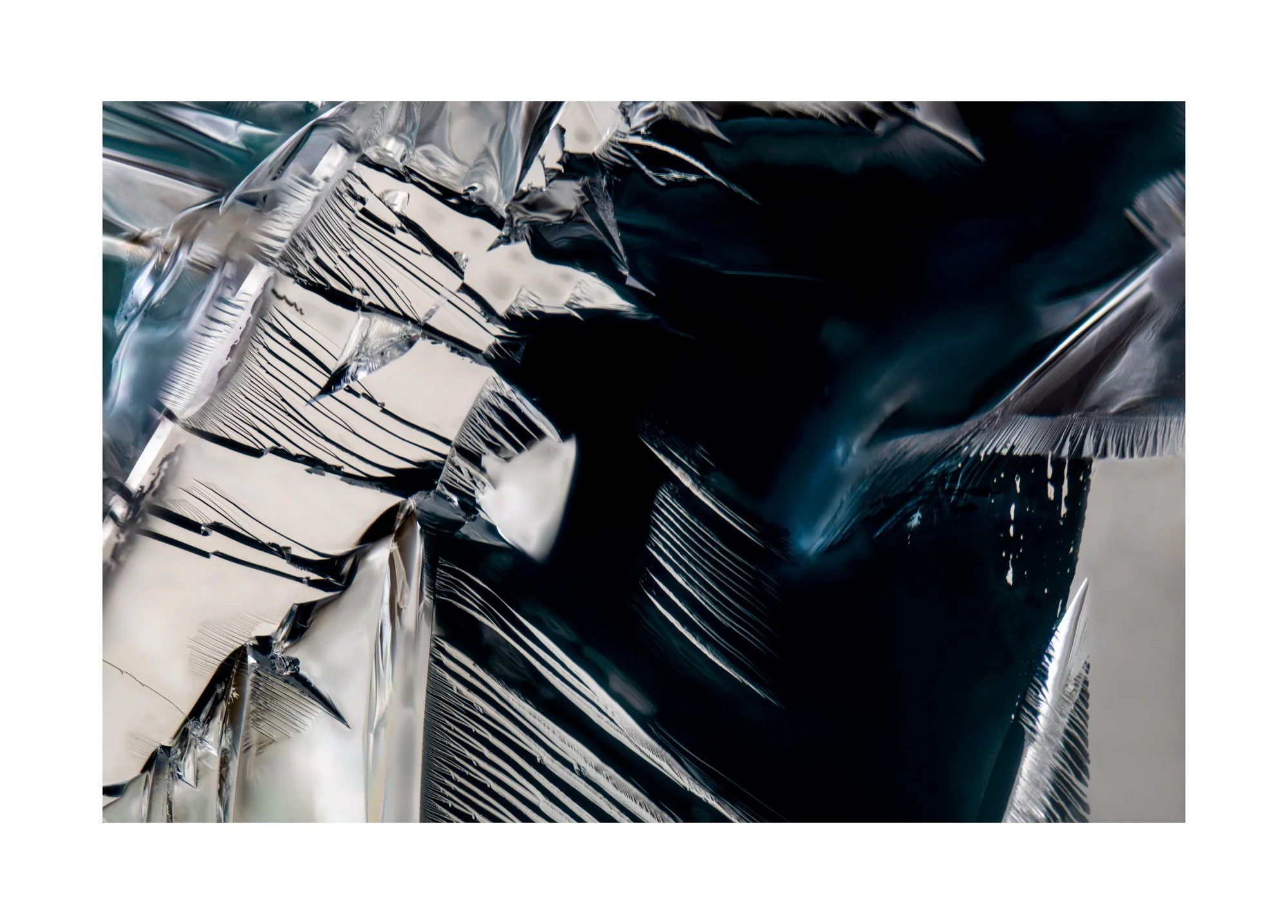
FIELD COMPRESSION
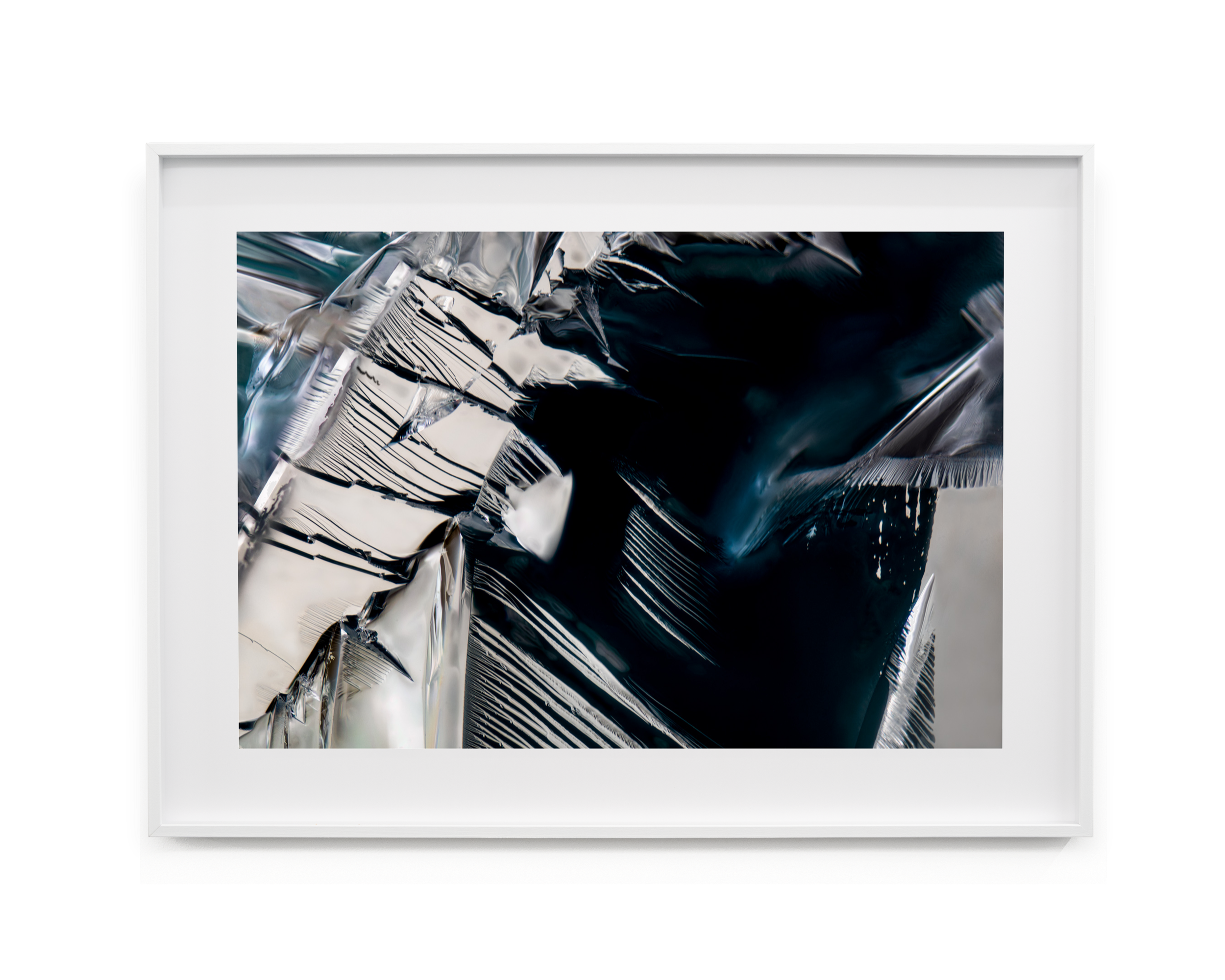
I saw compression immediately. The planes appeared crushed together under pressure, reminding me of the sculptures of César and John Chamberlain.
I wondered whether I was projecting that sense of force onto the image or seeing evidence of something the material had actually undergone. I introduced a darker, denser palette to reinforce that feeling of weight.
Archival pigment print on Canson Arches 88
Custom white painted oak box frame, ArtGlass glazing
975 × 705 mm (framed)
Edition of 8 + 2 AP
17
EDGE CONVERGENCE
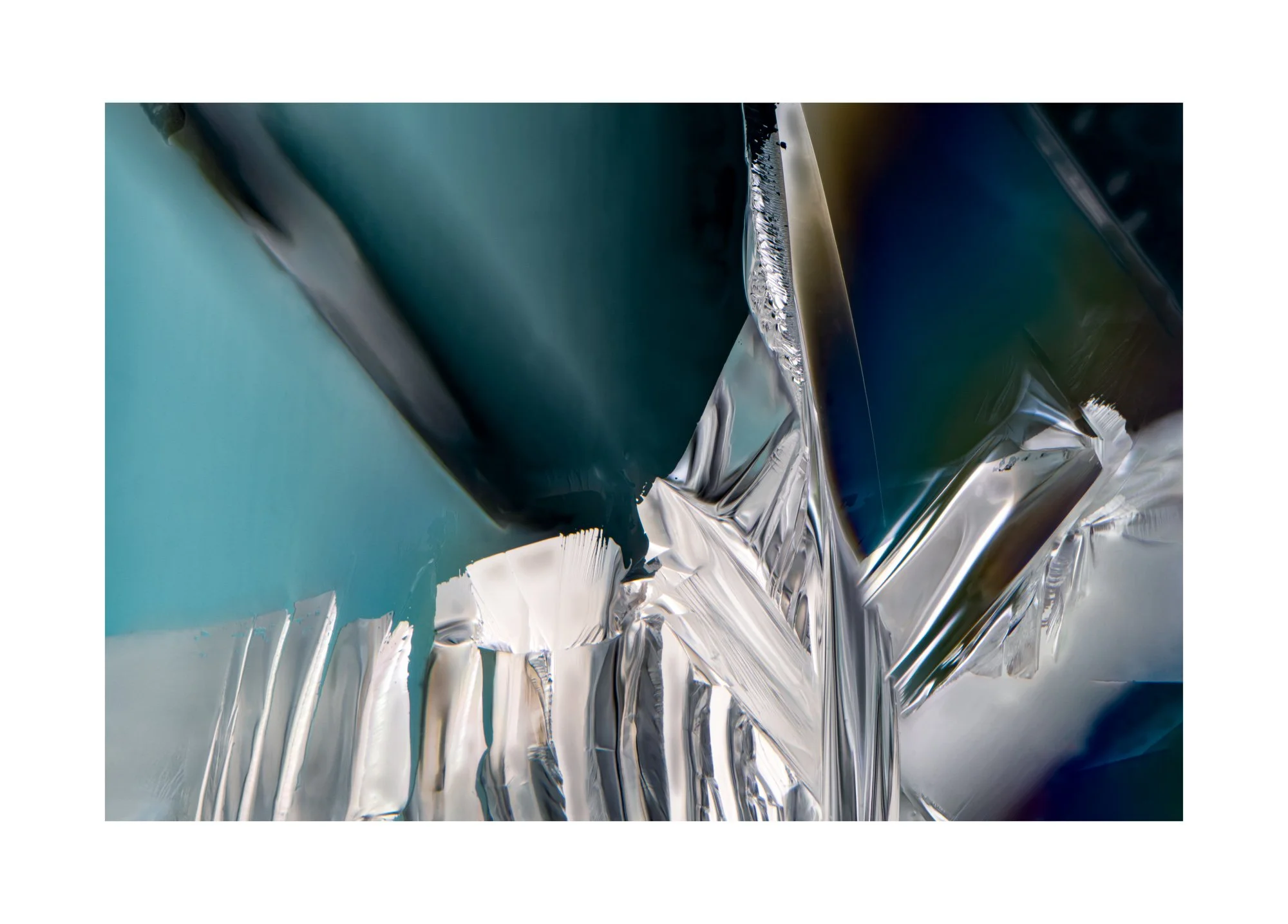
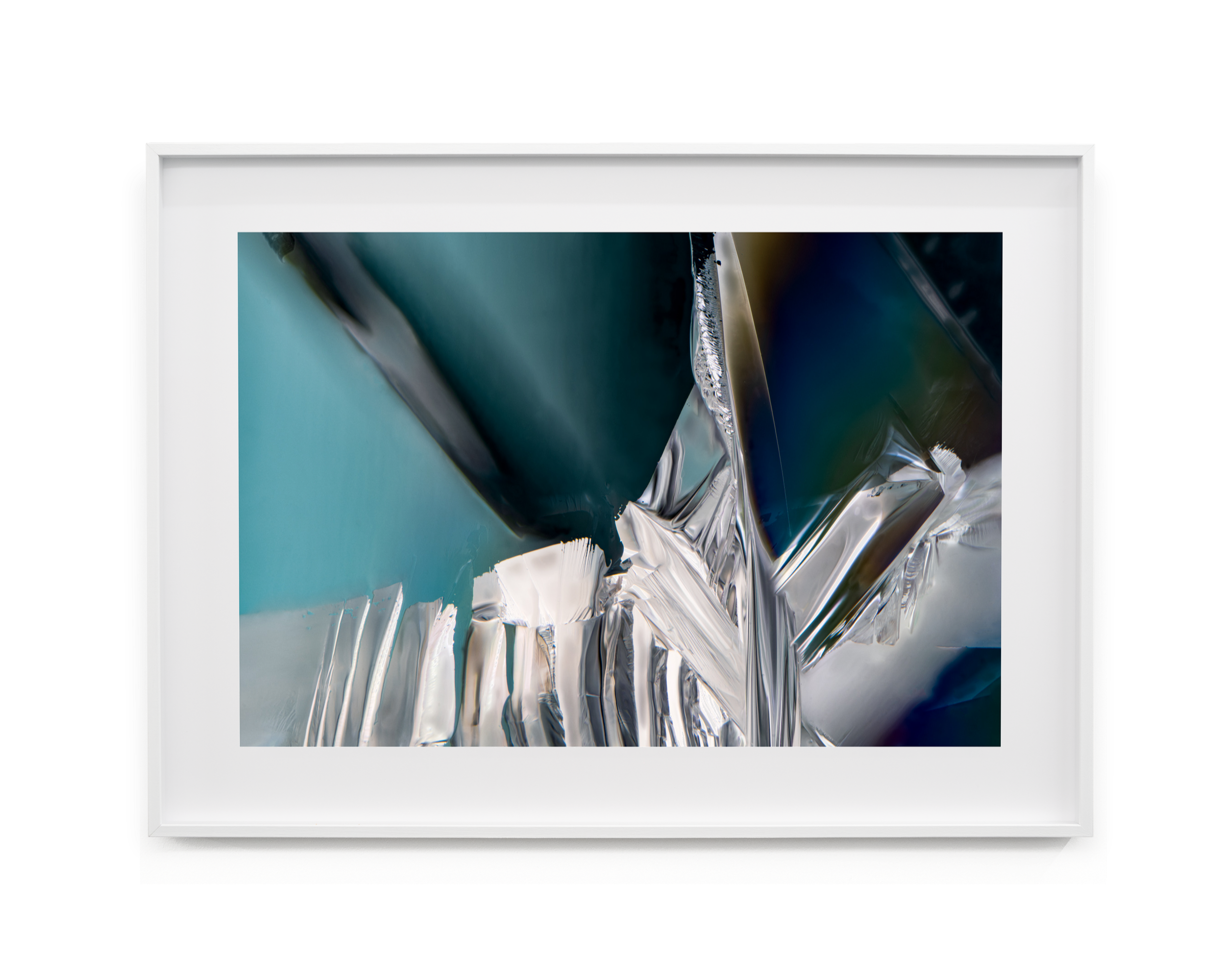
EDGE CONVERGENCE
This felt architectural. The foreground structure appeared to cantilever across the image, while the blue space beneath it suggested a valley or stream.
I was drawn to the way the edges converged around that space, creating a sense of span, weight and position. Something microscopic had begun to resemble a constructed landscape at a much larger scale.
Archival pigment print on Canson Arches 88
Custom white painted oak box frame, ArtGlass glazing
975 × 705 mm (framed)
Edition of 8 + 2 AP
18
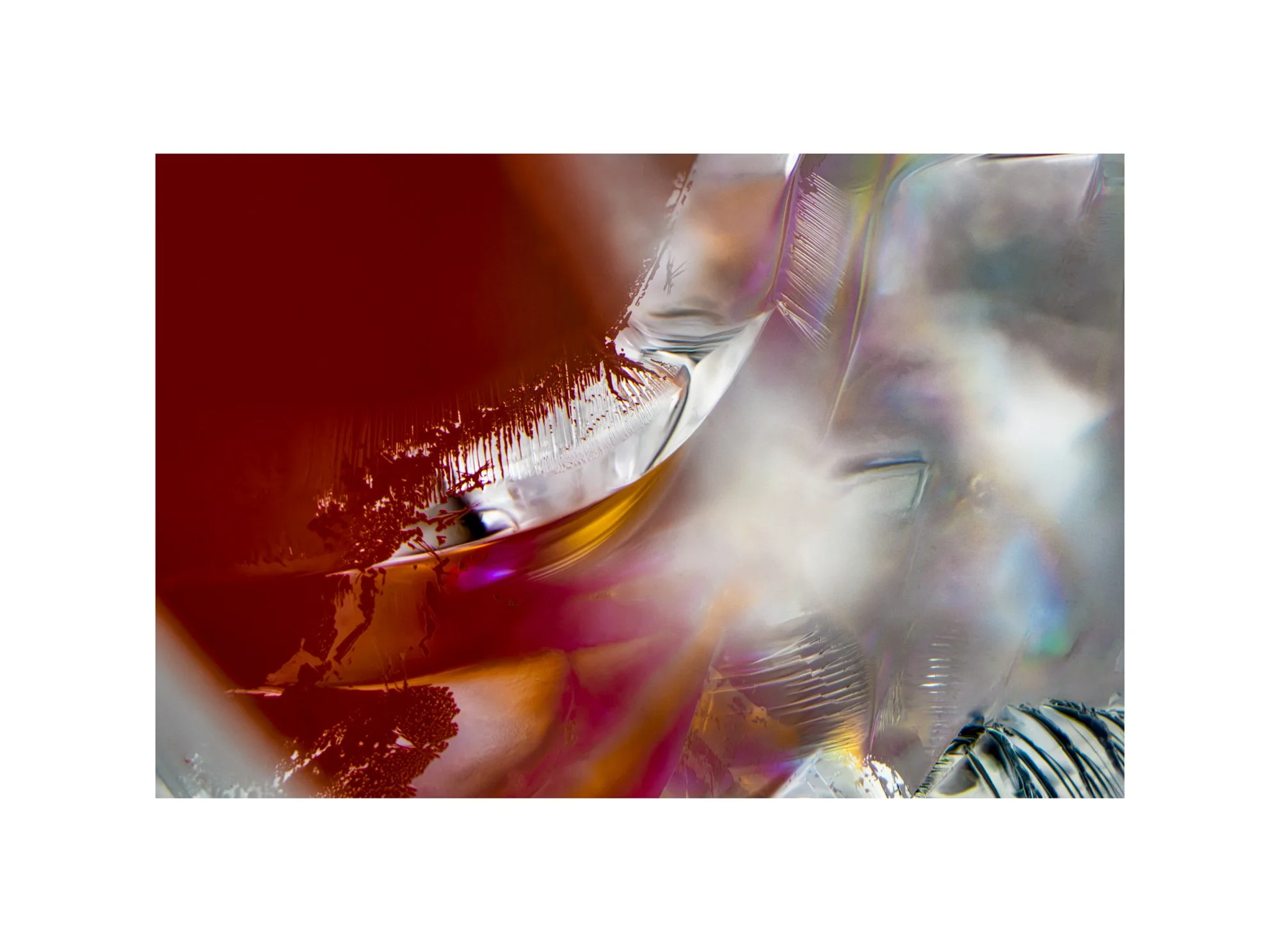
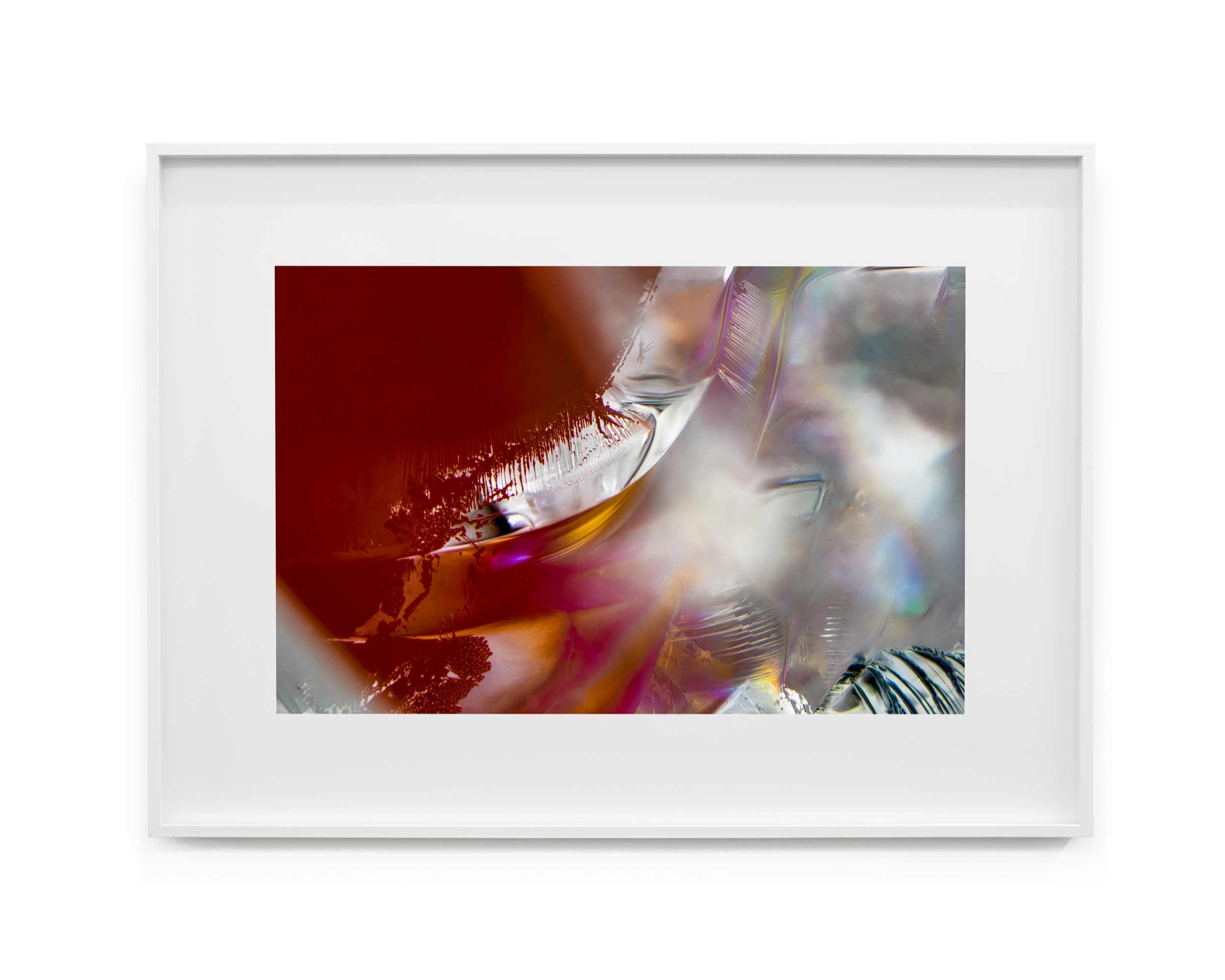
FIELD INTRUSION
FIELD INTRUSION
The surface appeared newly opened, revealing a layer that had previously been concealed within the structure.
I imagined the underlying material beginning to move outward, crossing its boundary and entering the surrounding field. What interested me was the possibility that the intrusion was coming from within rather than from an external force.
Archival pigment print on Canson Arches 88
Custom white painted oak box frame, ArtGlass glazing
1075 × 805 mm (framed)
Edition of 8 + 2 AP
19
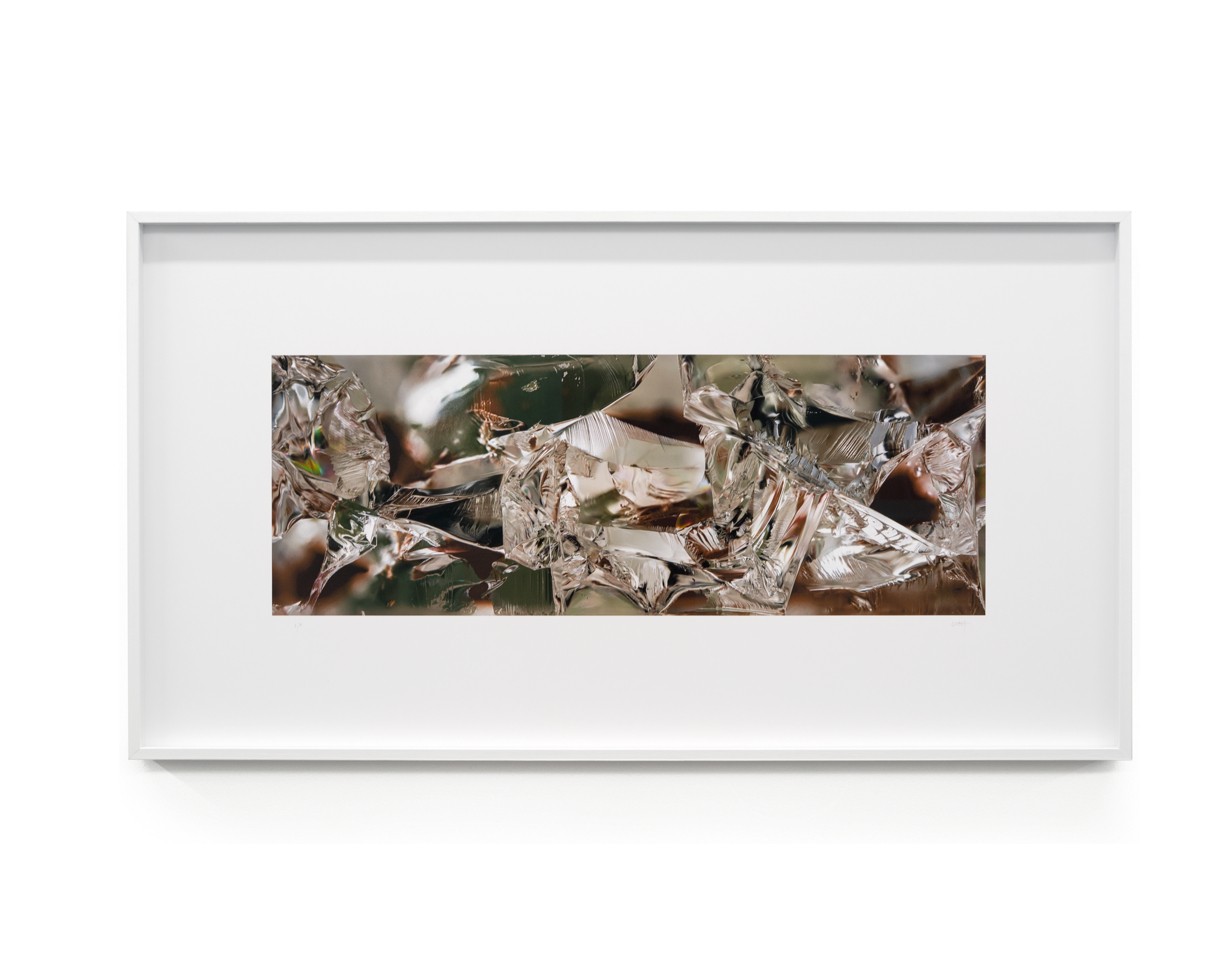
HORIZON ACCUMULATION
This felt like a moment when the investigation turned back on me. Somehow, I had the sense that what I was looking at was looking back.
Forms appeared to repeat and mimic one another across the image. I introduced a camouflage palette, allowing the structures to move between visibility and concealment. The longer I looked, the less certain I became about who was observing whom.
Archival pigment print on Canson Arches 88
Custom white painted oak box frame, ArtGlass glazing
1120 × 612 mm (framed)
Edition of 8 + 2 AP
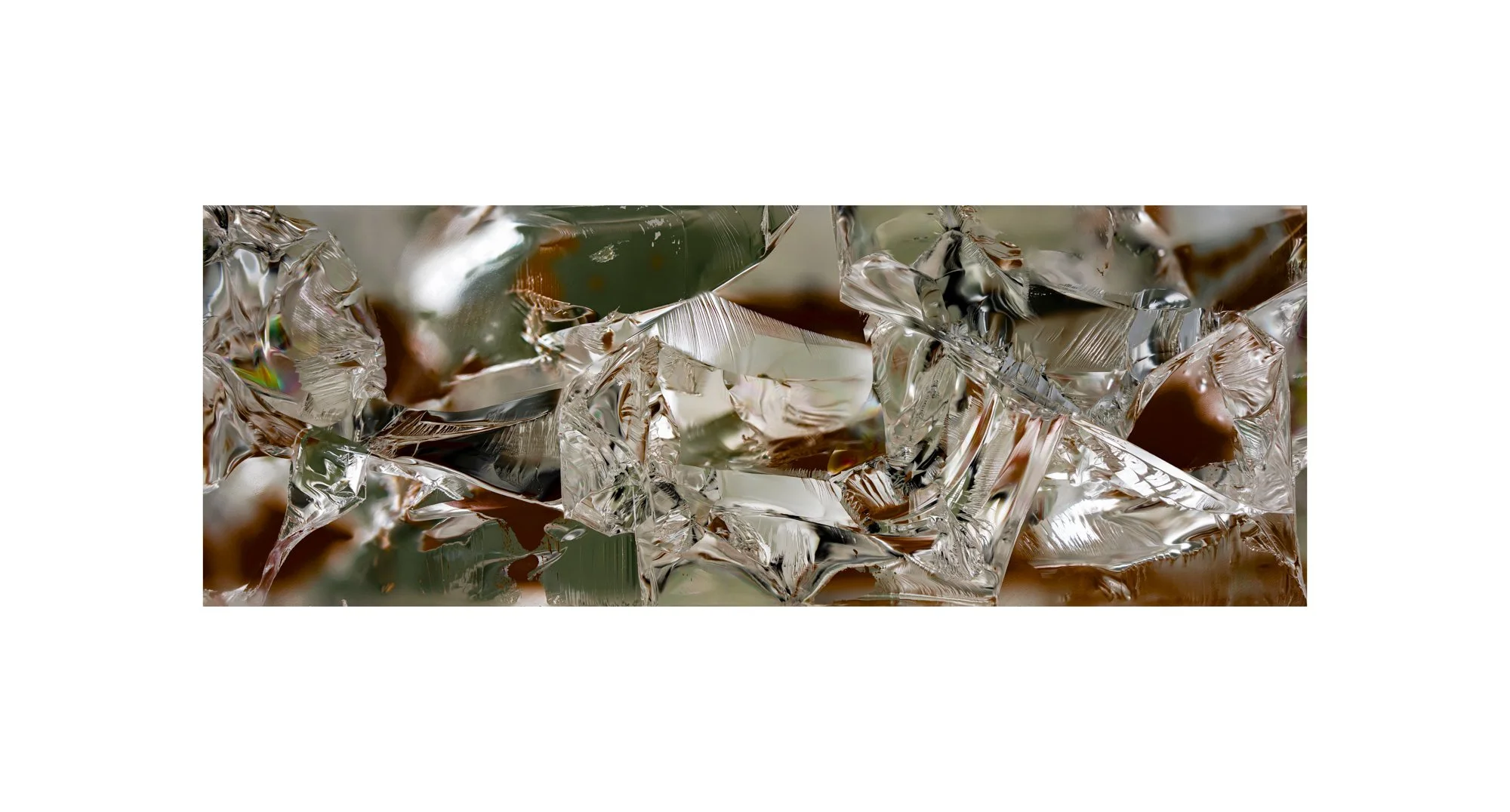
HORIZON ACCUMULATION
20
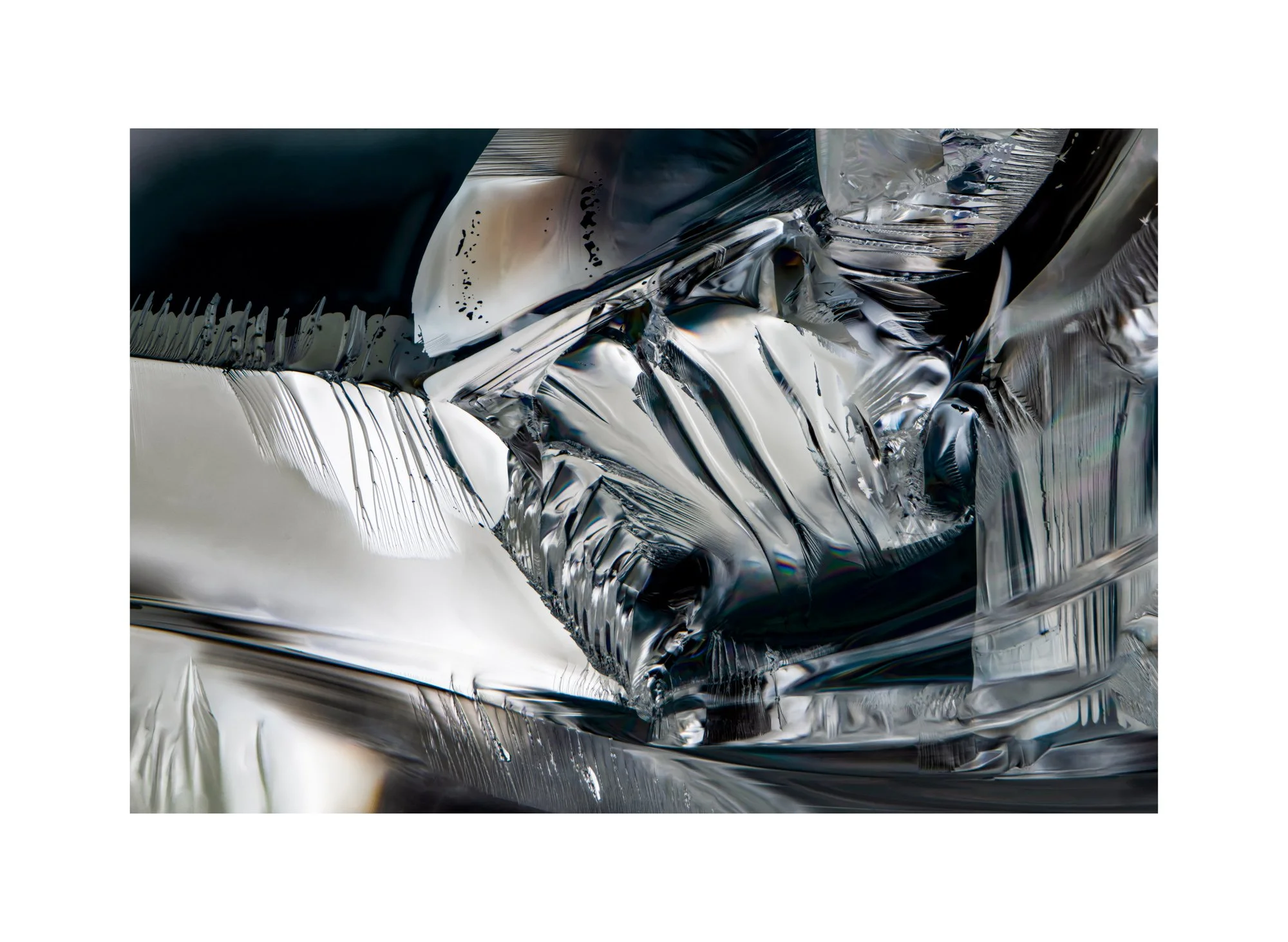
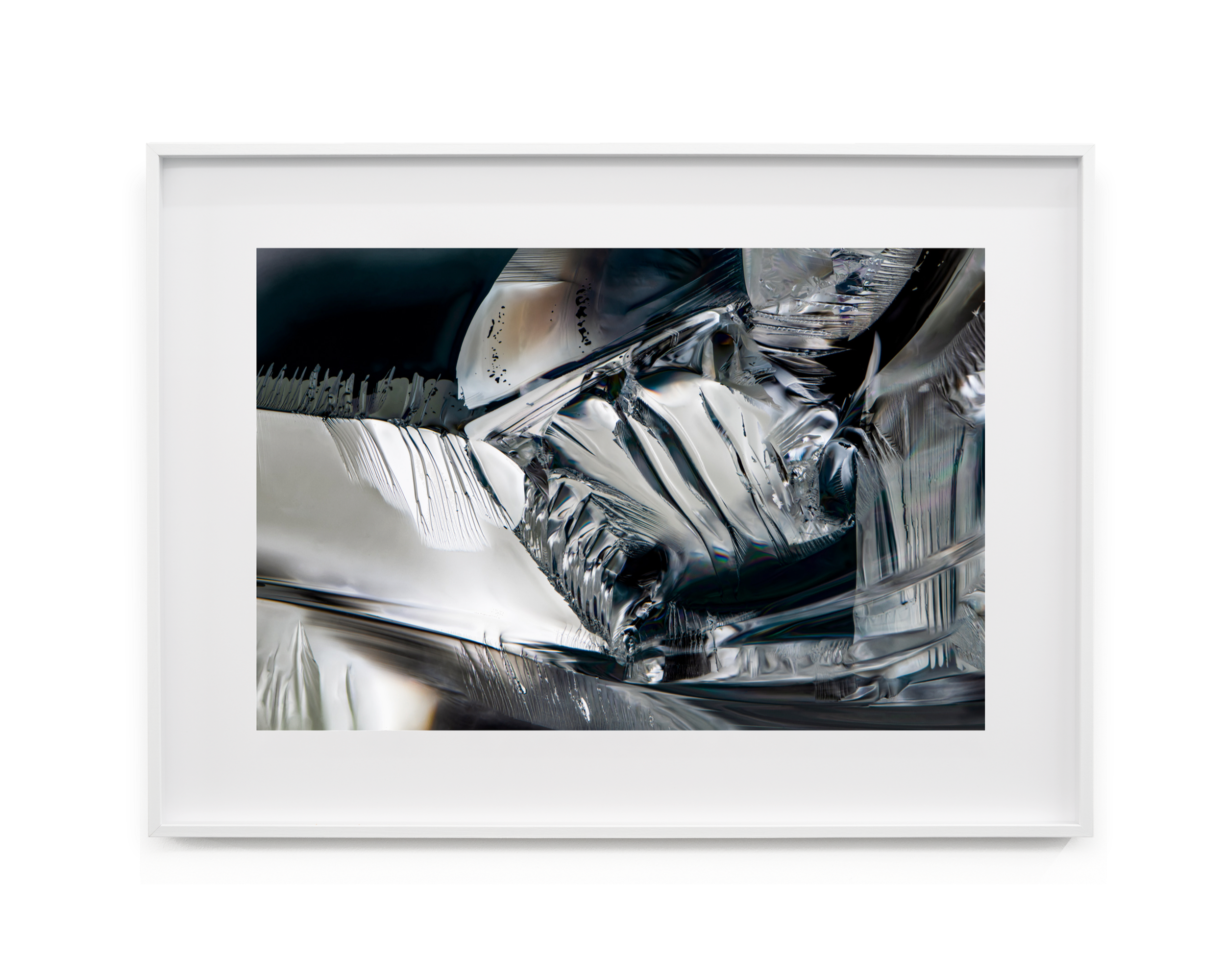
VOID ENCLOSURE
VOID ENCLOSURE
This felt like an architectural intervention, but one still in the process of becoming.
The forms appeared to move into position, assembling around an open space. I began to see the void not as an absence, but as something the surrounding structure was actively forming. It was as though I were witnessing the construction of an architecture whose final form remained unknown.
Archival pigment print on Canson Arches 88
Custom white painted oak box frame, ArtGlass glazing
1025 × 755 mm (framed)
Edition of 8 + 2 AP
21
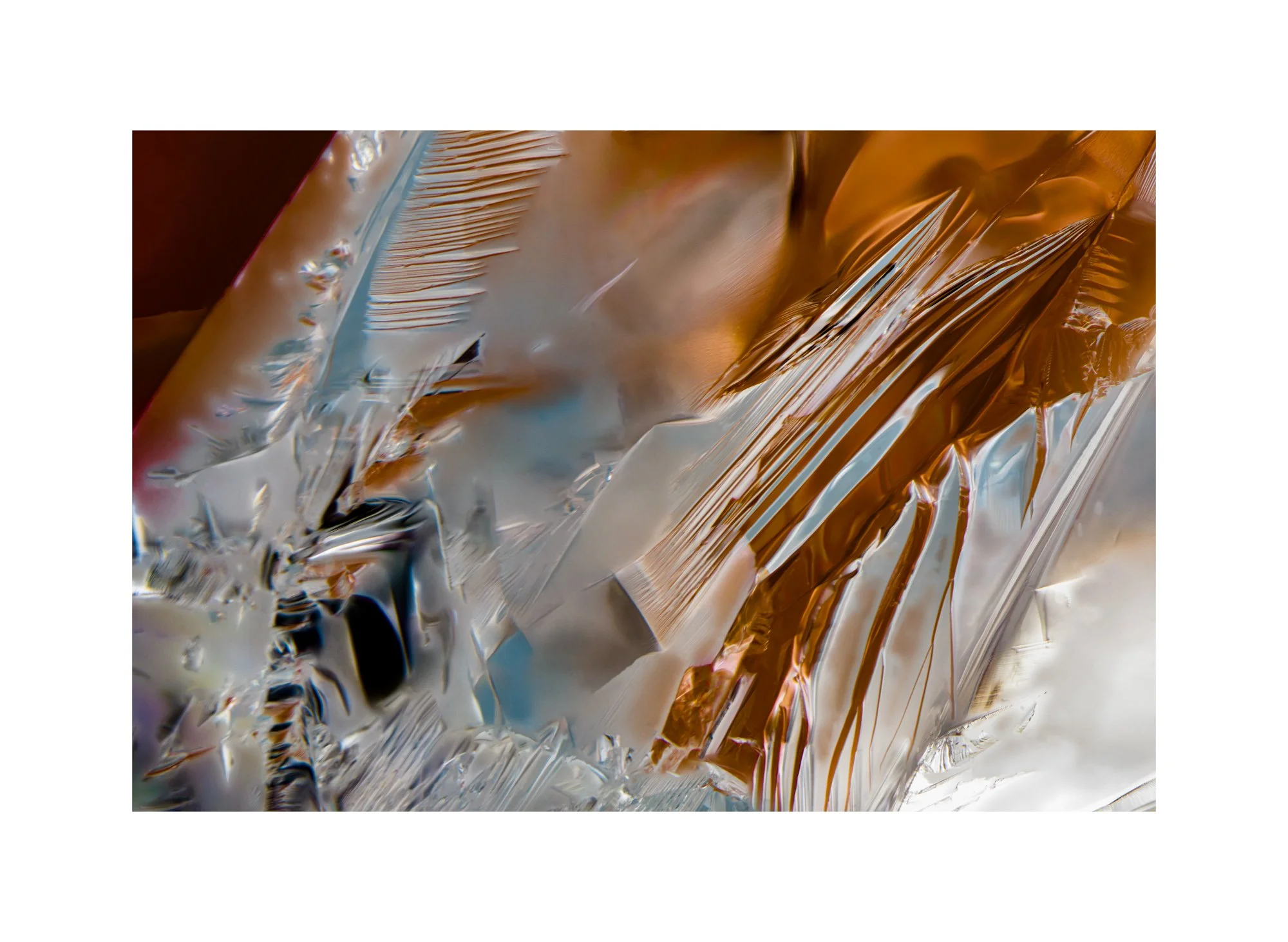
PLANE RUPTURE
PLANE RUPTURE
I was drawn to the softened edges of the rupture. They appeared weathered rather than freshly broken, suggesting a surface that had been exposed over time.
I introduced rust and blue in response to that observation. As the colour moved through the image, the rust seemed to spread beyond the rupture, gradually contaminating the surrounding plane.
Archival pigment print on Canson Arches 88
Custom white painted oak box frame, ArtGlass glazing
1025 × 755 mm (framed)
Edition of 8 + 2 AP